There’s something peaceful about those first few September leaves tumbling down across your yard. The air cools off a bit, the humidity drops, and the North Carolina summer finally starts to loosen its grip. But while most people see falling leaves as a sign of autumn’s charm, roofers like us at Red Wolf Roofing see something else—a warning sign.
Because when those first leaves start gathering in your gutters, valleys, and roof edges, they set the stage for water buildup, trapped moisture, and premature wear on your roof. By the time the trees are bare, what started as a pretty fall scene can turn into clogged drainage, soft shingles, and rot hiding just beneath the surface.
The truth is, fall roof maintenance isn’t about waiting until the last leaf falls—it’s about acting when the first ones do. Here’s why those early weeks of September matter more than most homeowners realize, and what you can do now to keep your roof strong, dry, and storm-ready all season long.
Why Early Fall Is the Best Time for Roof Care
Your roof works hard year-round, but fall is when it faces one of its toughest challenges: debris. Between shedding trees, heavy rain, and cooling temperatures, early fall creates the perfect storm for small maintenance problems to grow fast.
By tackling roof care in September—before the leaf drop hits full swing—you’re giving yourself a head start on prevention. You’ll also catch any lingering summer damage from heat, storms, or humidity before winter stress sets in.
In other words, September is the month to get ahead—not play catch-up.
The Big Problem with Falling Leaves
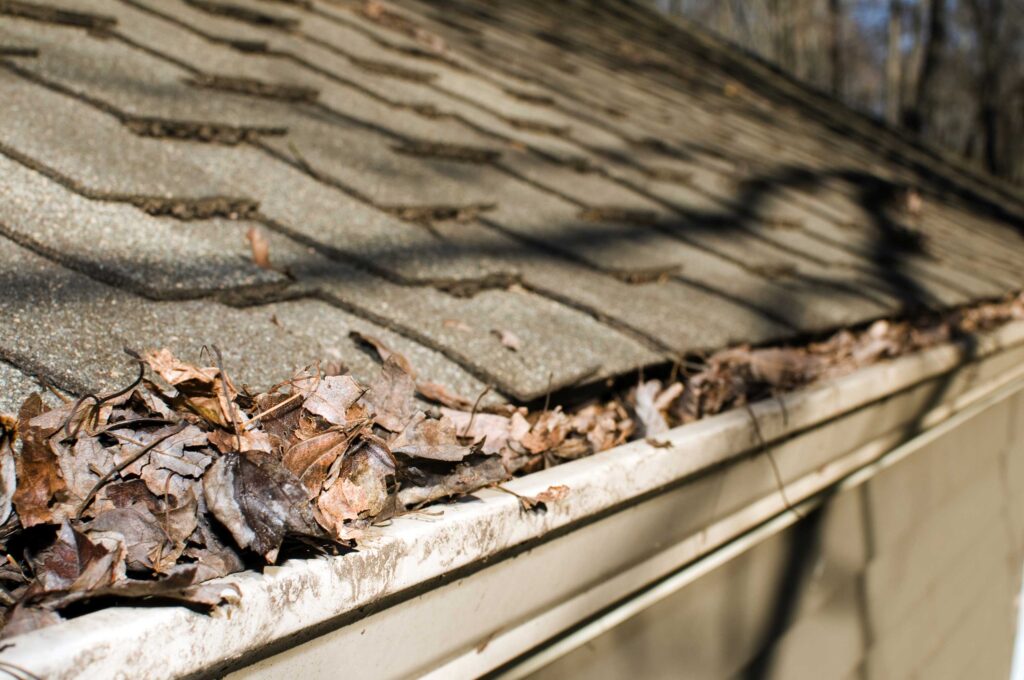
A few leaves on the roof might not seem like a big deal. But here’s what happens once they start piling up:
- They trap moisture. Leaves act like sponges. When they collect in roof valleys or gutters, they hold water against your shingles, leading to moss growth and rot.
- They clog drainage. Once gutters fill up, water has nowhere to go except under your shingles or back toward your siding.
- They add weight and stress. Wet leaf piles are surprisingly heavy. Over time, that extra weight strains gutters, flashing, and roof joints.
- They hide trouble. When debris covers your roof, it’s harder to spot loose shingles, cracks, or other warning signs.
It doesn’t take long—one or two early storms can turn that first leaf layer into a soggy mat that holds water long after the rain stops. That’s why getting ahead of buildup now saves you from major headaches later.
The First Signs of Trouble
If you’re not sure whether your roof’s ready for fall, look for a few telltale signs that early leaf drop might already be causing problems:
- Overflowing gutters after a light rain
- Water stains on fascia boards or near soffits
- Sagging or pulling gutters
- Moss or algae streaks on the shingles
- Soft spots or “spongy” areas when walking near roof valleys (for professionals only!)
- Rust stains around flashing or vent boots
These are all red flags that water isn’t draining the way it should. Left unchecked, they’ll only get worse once the heavier leaf fall begins.
Step-by-Step: How to Protect Your Roof This Fall
Roof maintenance in September doesn’t have to be complicated or expensive. A few smart steps now can keep your roof healthy and dry through the entire season.
Here’s where to start:
1. Clean Out the Gutters
Your gutters are your roof’s first line of defense. Make sure they’re clear of twigs, pine needles, and early leaf buildup before fall rains pick up. If you’ve got overhanging trees, consider installing gutter guards—they help keep debris out while letting water flow freely.
2. Check Downspouts and Extensions
It’s not enough for gutters to be clear—the downspouts need to drain away from your foundation. Ensure extensions are in place and aimed at least three feet away from your home.
3. Inspect Roof Valleys
These “V” shaped areas handle the most water runoff and collect the most debris. Clear them of any early leaf buildup and look for cracked or loose shingles that could lead to leaks once the rains arrive.
4. Examine Flashing and Seals
Metal flashing around chimneys, vents, and skylights takes a beating all year. Make sure it’s still tight and free from rust or lifting edges. These small areas are prime spots for water intrusion during fall storms.
5. Trim Overhanging Branches
If you can safely reach them, trim back branches that hang over your roof. They don’t just drop leaves—they also scratch shingles and dump debris directly into valleys and gutters.
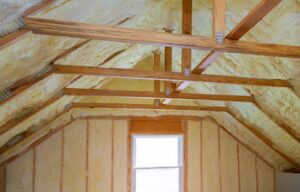
6. Check Attic Ventilation
Believe it or not, attic airflow plays a big role in fall roof health. Poor ventilation traps heat and moisture, which can speed up mold growth and weaken the roof deck over time.
7. Schedule a Professional Inspection
Finally, have your roof inspected by a professional before winter sets in. We’ll check for hidden issues like soft decking, weak flashing, or storm damage that could turn into leaks later.
These small maintenance steps may seem minor, but together they prevent 90% of the fall-related roof issues we see every year.
Why September Matters More Than November
It’s easy to think roof cleanup can wait until most of the leaves have fallen—but waiting too long often leads to bigger repairs.
Here’s why September’s early maintenance matters most:
- Temperatures are still ideal for roof work. Roofing materials are flexible and sealants cure properly before cold weather sets in.
- Storm season overlaps with leaf season. September and October often bring heavy rains to the Carolinas. Keeping drainage clear now helps your roof handle it.
- You’ll avoid the pre-winter rush. Once November hits, roofing companies get booked up fast with repairs and replacements. Acting early gives you more flexibility and faster service.
- You protect your roof before buildup starts. Once layers of wet leaves set in, cleaning them becomes tougher and more time-consuming.
By taking care of your roof early in the season, you’re not just preventing damage—you’re setting your home up to handle everything fall and winter throw your way.

The Cost of Ignoring Early Fall Roof Maintenance
When roof maintenance falls low on the to-do list, it doesn’t take long for the consequences to pile up—literally.
Here’s what we often see when homeowners wait too long to clear those first leaves:
- Leaks and ceiling stains: Water trapped under leaf piles seeps into weak shingle seams.
- Gutter detachment: The weight of wet debris pulls gutters away from the fascia.
- Rotting fascia boards: Constant moisture from overflowing gutters causes decay around roof edges.
- Mold and attic damage: Poor ventilation plus trapped humidity creates ideal conditions for mold growth.
- Higher energy bills: Damp insulation and roof leaks reduce your home’s thermal efficiency.
By the time these problems show up, the repairs often cost far more than a simple fall maintenance visit. Prevention always beats restoration—especially when the fix is as simple as cleaning up the first few leaves of the season.
Why North Carolina Roofs Need Special Attention
In the Sandhills and central North Carolina, fall brings unique challenges for homeowners. We have a mix of hardwood trees that shed early, heavy autumn rainfall, and lingering summer humidity. Combine that with older roofs or homes built under tree cover, and you’ve got the perfect environment for early moisture damage.
At Red Wolf Roofing, we tailor our inspections and maintenance services to the region’s conditions. We know where water tends to collect, which shingle types handle our weather best, and how to prepare roofs for the wet, cool months ahead.
We don’t just clean and go—we help homeowners understand what their roof needs to stay strong year-round.
The Red Wolf Roofing Difference
When you call Red Wolf Roofing for your fall maintenance, you’re not getting a quick once-over—you’re getting a detailed, professional inspection and service built for North Carolina weather.
Here’s what we focus on:
- Clearing all roof valleys and gutters of early debris
- Checking shingle condition and adhesion after summer heat
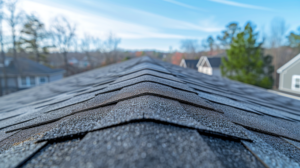
- Inspecting flashing, vents, and ridge caps for leaks or corrosion
- Evaluating attic airflow and insulation levels
- Reinforcing vulnerable areas before storm season
We believe maintenance isn’t just about cleaning up—it’s about prevention, performance, and protecting your investment from top to bottom.
Get Ahead of the Fall
By the time your lawn’s buried under red and gold, your roof’s already been working overtime. Those first September leaves may not seem like much, but they’re your cue to act—not just admire the view.
A little preparation now—clearing gutters, trimming branches, scheduling an inspection—can save you from costly repairs later. It’s simple, smart, and the kind of preventive care your roof deserves after another long Carolina summer.
At Red Wolf Roofing, we’re here to help you start fall on solid footing. Our team knows what North Carolina roofs need to stay strong, dry, and ready for the seasons ahead.
Contact Red Wolf Roofing today to schedule your fall roof maintenance or inspection. Because when it comes to your roof, the first leaves of the season aren’t just a sign of autumn—they’re your first warning to protect your home.