When it comes to your roof, most homeowners focus on color, style, or material. But one of the most important factors is often overlooked: roof slope. How steep your roof is can make or break the performance of your shingles, affecting everything from water runoff to wind resistance.
In Seven Lakes, North Carolina, where seasonal storms, humidity, and occasional hail are part of life, choosing shingles without considering slope can lead to leaks, shortened lifespan, or unnecessary repairs.
Let’s break down how roof slope affects your shingle options, why it matters, and how to make the best choice for your home.
Key Takeaways
- Roof slope determines the types of shingles that perform best.
- Steeper roofs shed water faster, reducing the risk of leaks.
- Low-slope roofs may require specialized shingles or underlayment.
- Asphalt, architectural, and specialty shingles each have slope requirements.
- Proper installation is critical—wrong shingles on the wrong slope can fail prematurely.
- Local contractors familiar with Seven Lakes weather can guide your choice.
What Is Roof Slope and How Is It Measured?
Roof slope is the angle or pitch of your roof, expressed in inches of rise per 12 inches of run
Roof slope, sometimes called roof pitch, describes how steep your roof is. Contractors measure it as:
- Rise: how many inches the roof climbs vertically
- Run: 12 inches horizontally
For example, a “6/12” roof rises 6 inches for every 12 inches of horizontal distance.
Roof slope isn’t just a number—it affects how water drains, how shingles perform, and even what materials are suitable.
Steeper slopes allow water to run off quickly, which is great for preventing leaks. Low slopes let water linger, requiring stronger underlayment and sometimes specialty shingles.
Why Does Roof Slope Matter When Choosing Shingles in Seven Lakes?
Because water and wind behave differently depending on pitch
Seven Lakes homes face:
- Summer storms with heavy rainfall
- Wind gusts during tropical systems
- Hail during occasional severe weather
Roof slope affects how shingles handle these forces.
Steep roofs:
- Shed water quickly
- Reduce ice or moisture buildup in rare winter months
- Are less likely to experience wind-driven leaks
Low-slope roofs:
- Hold water longer, increasing risk of leaks
- Require shingles with extra adhesion
- May need multiple layers of underlayment
In other words, the wrong shingle on the wrong slope can mean a roof that fails before its expected lifespan.
Which Shingles Work Best on Steep Roofs?
Asphalt and architectural shingles shine on slopes above 4/12
For roofs with a slope of 4/12 or steeper:
- Asphalt shingles are reliable, affordable, and widely available.
- Architectural shingles offer thicker, longer-lasting protection and better wind resistance.
- Specialty shingles like laminated or designer styles are also an option for aesthetic appeal.
Benefits of steeper slopes:
- Water runs off faster, reducing chance of leaks
- Debris and leaves are less likely to collect
- Shingle wear is more uniform
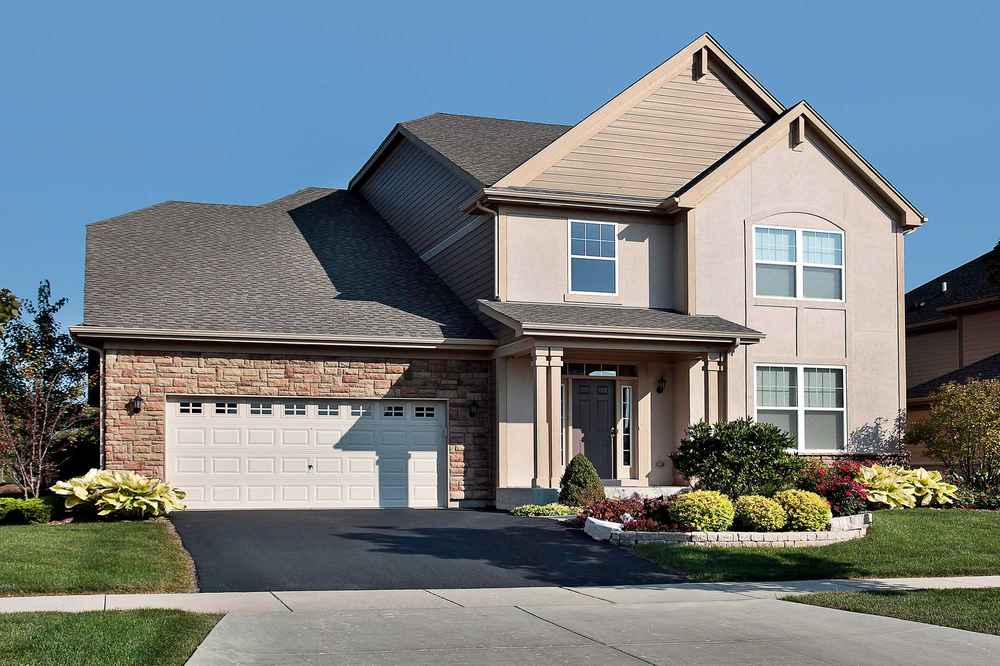
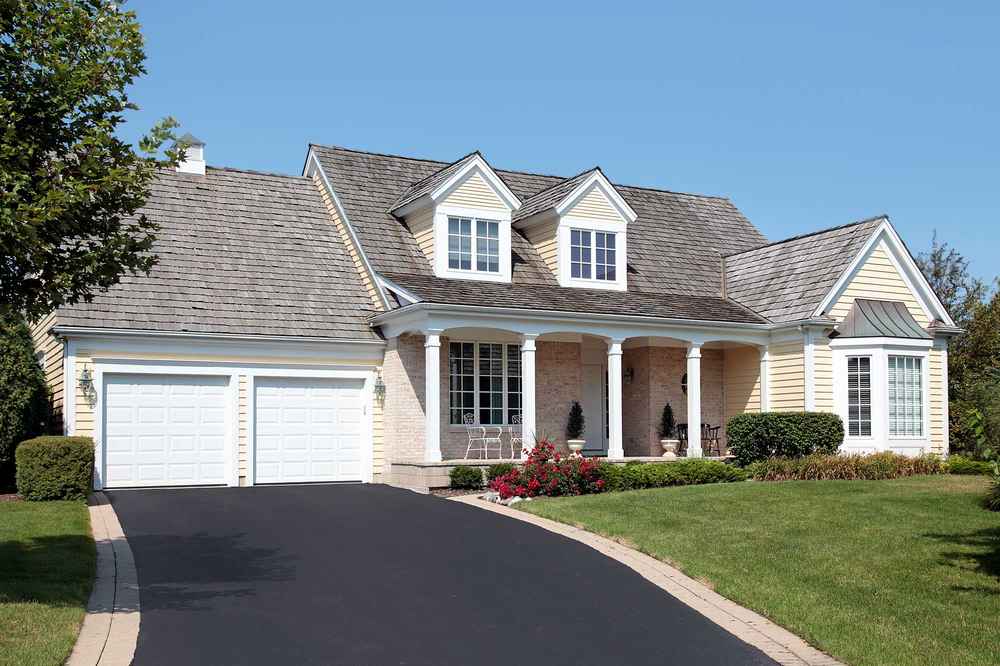
This is why many traditional Seven Lakes homes with gabled roofs perform well with standard asphalt or architectural shingles.
Can Low-Slope Roofs Use Standard Shingles?
Only with careful consideration and additional protection
Low-slope roofs, typically 2/12 to 4/12, pose a challenge. Water doesn’t run off quickly, so standard asphalt shingles can trap moisture and fail.
Options for low-slope roofs:
- Modified asphalt shingles designed for lower slopes
- Rubberized or self-adhering underlayment to prevent leaks
- Metal panels or membrane systems in extreme low-slope cases
Key considerations:
- Ensure multiple layers of underlayment
- Inspect for proper flashing around penetrations
- Use shingles rated for the slope to maintain manufacturer warranty
Without these precautions, you risk water intrusion, algae growth, and premature wear.
How Does Slope Affect Roof Longevity and Maintenance?
Steeper slopes generally require less maintenance
- Water and debris flow off quickly, preventing standing water
- Ice or frost has less time to form in the rare winter months
- Shingles experience more even wear
Low slopes:
- May require more frequent inspections
- Can develop small leaks faster
- Often need additional waterproofing layers
In Seven Lakes’ climate, slope is directly tied to long-term durability. A roof that appears fine from the street may be silently struggling if the pitch is too low for the chosen shingles.
What Other Factors Should You Consider Alongside Slope?
Slope is critical, but it’s not the only factor
- Roof orientation: South-facing slopes get more sun, which may affect shingle temperature and expansion.
- Local weather: Storm-prone areas need wind-rated shingles.
- Home design: Complex roofs with valleys and dormers require careful installation regardless of slope.
- Budget: Specialty shingles for low-slope roofs can increase cost, but often save money on repairs long-term.
By considering these factors, you’ll choose shingles that perform well, look good, and last.
Quick Guide: Choosing Shingles by Slope
- Steep Roofs (4/12 or higher)
- Standard asphalt shingles
- Architectural shingles
- Designer or laminated shingles
- Moderate Slopes (2/12 to 4/12)
- High-quality asphalt with extra underlayment
- Modified shingles rated for low slopes
- Metal panels in some cases
- Flat or Very Low Slopes (<2/12)
- Membrane roofing systems
- Rubberized asphalt
- Metal panels with waterproof underlayment