Winter doesn’t always announce itself with a blizzard in Fayetteville. Sometimes it sneaks in quietly — a cold snap here, a soaking rain there, a sudden freeze overnight. And before you know it, your roof is dealing with conditions it wasn’t built to ignore.
For homeowners across Fayetteville and surrounding North Carolina communities, winter roof damage is one of the most common — and most expensive — seasonal problems. The good news? Most of it is preventable with the right knowledge, preparation, and help from professionals who understand local weather patterns.
This guide breaks down exactly how to protect your roof before winter takes its toll, what warning signs to watch for, and when it’s time to call in experts who know what they’re doing.
What Are the Key Takeaways Homeowners Should Know Right Away?
Before we dive deep, here’s what matters most if you’re short on time:
- Winter roof damage often starts small and goes unnoticed until it becomes costly
- Moisture is the real enemy, especially when temperatures fluctuate
- Preventative inspections save far more money than emergency repairs
- Proper ventilation and insulation are just as important as shingles
- Local experience matters when choosing a roofing contractor
Now let’s get into the details — because your roof deserves more than guesswork.
Why Is Winter Especially Hard on Roofs in Fayetteville?
How Fayetteville’s Winter Weather Creates Hidden Roofing Risks
Fayetteville winters are unpredictable. One week it’s mild and damp, the next it’s freezing overnight with frost clinging to every surface. That constant cycle of wet conditions followed by freezing temperatures is rough on roofing materials.
Unlike colder northern climates where snow stays frozen, Fayetteville sees repeated thaw-and-freeze cycles. Water works its way into small cracks, expands as it freezes, and slowly forces materials apart. Over time, that pressure leads to leaks, lifted shingles, and weakened structural components.
Add in heavy winter rain, occasional ice, and gusty winds, and your roof is under constant stress — even if it looks fine from the street.
How Does Moisture Become the Biggest Threat to Your Roof?
Why Water Causes More Damage Than Snow or Ice Alone
Water doesn’t need much space to cause trouble. A hairline crack, a loose nail, or a compromised flashing seam is enough.
Once moisture enters:
- It can rot decking and framing
- It weakens underlayment
- It encourages mold growth in attic spaces
- It reduces insulation effectiveness
- It leads to interior ceiling and wall damage
The worst part? Most homeowners don’t realize there’s a problem until water shows up inside the house. By then, the damage has usually spread.
What Early Warning Signs of Winter Roof Damage Should You Watch For?
How Small Clues Can Signal Bigger Roofing Problems
Your roof often gives warnings — if you know where to look.
Inside your home, keep an eye out for:
- Water stains on ceilings or walls
- Peeling paint near rooflines
- Drafts or cold spots upstairs
- Unexplained increases in heating bills
Outside, watch for:
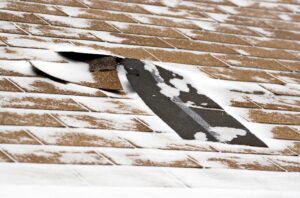
- Missing, cracked, or curling shingles
- Granules collecting in gutters
- Sagging roof lines
- Damaged flashing around chimneys and vents
Catching these signs early can mean the difference between a simple repair and a full roof replacement.
How Can a Pre-Winter Roof Inspection Prevent Costly Repairs?
Why Professional Inspections Are One of the Best Investments You Can Make
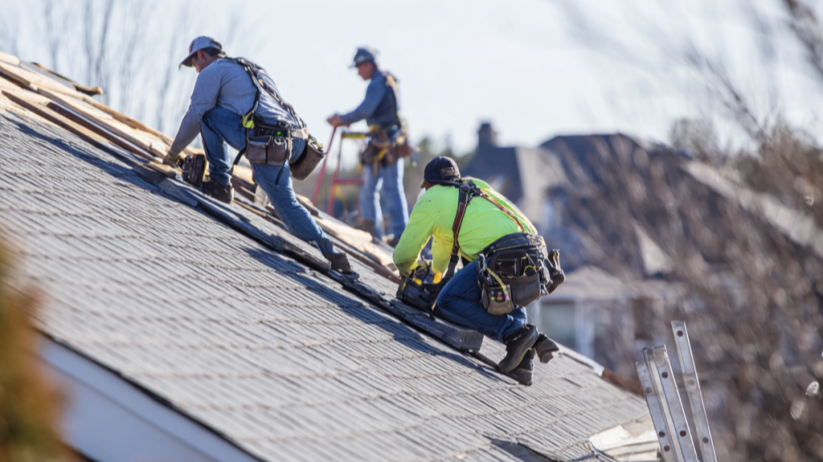
A pre-winter inspection is about prevention, not panic. A trained roofing professional knows exactly where winter damage starts and how to stop it before it spreads.
During an inspection, professionals check:
- Shingle condition and attachment
- Flashing integrity
- Sealants and penetrations
- Gutter performance
- Attic ventilation and insulation
In Fayetteville, timing matters. Late fall inspections allow repairs to be completed before cold weather limits materials and installation options.
Why Are Gutters So Important During the Winter Months?
How Proper Drainage Protects Your Roof and Foundation
Your roof’s job isn’t just to keep water out — it’s to move water away safely. Gutters play a huge role in that.
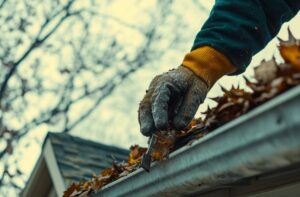
When gutters clog with leaves, pine needles, and debris:
- Water backs up under shingles
- Fascia boards begin to rot
- Ice can form along roof edges
- Water spills down siding and into foundations
Cleaning and inspecting gutters before winter ensures water flows where it should, even during heavy rains and freezing temperatures.
How Does Poor Ventilation Contribute to Winter Roof Damage?
Why Airflow Matters More Than Most Homeowners Realize
A poorly ventilated attic traps warm, moist air. When that warm air rises and meets a cold roof surface, condensation forms — and condensation leads to trouble.
Over time, poor ventilation can cause:
- Mold growth
- Wood rot
- Warped decking
- Shortened shingle lifespan
Proper ventilation helps regulate attic temperature, reduces moisture buildup, and prevents many winter-related roofing issues before they start.
What Role Does Insulation Play in Roof Protection?
How Insulation Helps Control Temperature and Moisture
Insulation and ventilation work as a team. Without adequate insulation, warm air escapes into the attic, raising temperatures unevenly across the roof.
This imbalance can:
- Increase condensation
- Stress roofing materials
- Drive up energy costs
Ensuring your attic is properly insulated helps keep indoor heat where it belongs and protects your roof structure year-round.
How Can Homeowners Prepare Their Roof Before Winter Arrives?
What Preventative Steps Make the Biggest Difference?
Preparation doesn’t have to be complicated, but it does need to be thorough.
Before winter, homeowners should:
- Schedule a professional roof inspection
- Repair loose or damaged shingles
- Seal flashing and penetrations
- Clean gutters and downspouts
- Trim overhanging tree branches
These steps reduce risk, extend roof life, and help your home handle whatever winter brings.
Why Are Trees and Debris a Bigger Problem Than You Might Think?
How Overhanging Branches Can Damage Roofs in Winter
Winter storms don’t need to be severe to cause damage. A wet branch weighed down by rain or ice can scrape shingles or break off entirely.
Falling debris can:
- Crack shingles
- Damage flashing
- Block gutters
- Create entry points for moisture
Keeping branches trimmed back protects your roof and reduces emergency repair risks.
How Do Flashing and Sealants Fail During Winter?
Why These Small Components Matter So Much
Flashing seals vulnerable areas where the roof meets chimneys, vents, skylights, and walls. Over time, flashing can loosen or corrode, and sealants can dry out and crack.
Winter temperature swings accelerate this process. Once flashing fails, water has a direct path inside.
Routine maintenance and professional resealing prevent these weak points from becoming major problems.
When Should You Repair Versus Replace Roofing Materials?
How to Make the Smart Long-Term Decision
Not every winter issue means replacement. Often, targeted repairs restore protection and extend roof life.
Repairs are usually sufficient when:
- Damage is localized
- The roof is relatively young
- Structural components are sound
Replacement may be necessary when:
- Leaks are widespread
- Materials are nearing end of life
- Repairs become frequent and costly
A professional assessment helps homeowners avoid unnecessary expenses while planning responsibly.
What Happens If Winter Roof Damage Is Ignored?
Why Waiting Almost Always Makes Things Worse
Small issues don’t stay small in winter. Moisture spreads, materials weaken, and repair costs climb.
Ignoring damage can lead to:
- Structural rot
- Mold remediation
- Interior renovations
- Increased energy bills
- Emergency repairs during storms
Prevention and early intervention are always cheaper and less stressful.
Why Does Local Experience Matter When Choosing a Roofing Contractor?
How Fayetteville-Specific Knowledge Makes a Difference
Roofing isn’t one-size-fits-all. Fayetteville homes face unique challenges based on local climate, tree coverage, and construction styles.
A local contractor understands:
- Regional weather patterns
- Common roofing materials in North Carolina
- Building codes and inspection standards
- Seasonal timing for repairs
That experience translates to better recommendations and longer-lasting results.
What Questions Do Homeowners Ask Most About Winter Roof Care?
The Straight Talk Homeowners Actually Want Answers To
Can winter roof repairs be done safely?
Yes, many repairs can be performed during winter, though timing and weather conditions matter.
Is a roof inspection worth it if I don’t see damage?
Absolutely. Many issues are invisible from the ground.
How often should roofs be inspected?
At least once a year, plus after major storms.
Do small leaks really matter?
Yes. Small leaks often signal bigger underlying issues.
Will insurance cover winter roof damage?
Coverage depends on your policy and whether damage was sudden or due to neglect.
How Can Regular Maintenance Extend the Life of Your Roof?
Why Consistency Beats Crisis Every Time
Roof maintenance isn’t glamorous, but it works. Regular inspections, minor repairs, and seasonal preparation can add years to your roof’s lifespan.
Think of it like vehicle maintenance — routine care prevents breakdowns and expensive replacements.
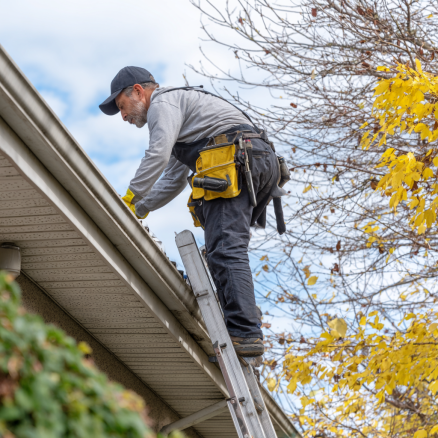
What Should Homeowners Do If They Suspect Winter Roof Damage?
The Right Steps to Take Without Panic
If you suspect a problem:
- Document visible signs
- Avoid climbing onto the roof yourself
- Schedule a professional inspection
- Address issues promptly
Quick action limits damage and keeps repair options open.
Why Trust Red Wolf Roofing to Protect Your Home This Winter?
Local Expertise You Can Count On
At Red Wolf Roofing, we know Fayetteville roofs because we work on them every day. We understand the weather, the materials, and the risks homeowners face when winter hits.
Our team focuses on:
- Thorough inspections
- Honest recommendations
- Durable repairs
- Clear communication
We don’t believe in scare tactics — just solid work done right.
Ready to Winter-Proof Your Roof the Right Way?
One Smart Call Can Prevent a Season of Stress
Winter roof damage doesn’t have to be inevitable. With the right preparation and the right professionals, your home can stay protected all season long.
If you’re ready for peace of mind, contact Red Wolf Roofing in North Carolina today. We’ll help you spot problems early, fix them correctly, and make sure your roof is ready for whatever winter throws its way.