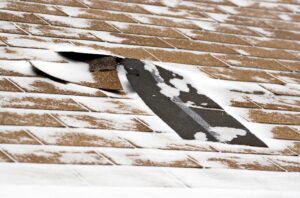
Winter doesn’t always look dramatic in Hope Mills. You might not get buried in snow or battered by ice storms every year. But that doesn’t mean your roof and gutters came through the cold months unscathed. Weeks of temperature swings, wind, rain, and falling debris have a way of quietly stacking up damage that you won’t notice until spring — and by then, the problems are already working against you.
Spring cleanup isn’t just about curb appeal. It’s about catching what winter left behind before it turns into a summer headache. A clogged gutter, a patch of moss, a few lifted shingles — none of those things announce themselves loudly. They just sit there doing damage until one good rainstorm makes everything painfully obvious. The good news is that a focused spring inspection and cleanup puts you back in control before any of that happens.
Key Takeaways
- Spring is the best time to inspect and clear your roof and gutters after winter’s accumulated damage and debris.
- Hope Mills’ mix of pine trees, seasonal storms, and humidity creates specific challenges for roofs and drainage systems.
- Clogged gutters are one of the most common and preventable causes of water damage to foundations, fascia, and interior walls.
- Roof debris like leaves, moss, and algae shortens shingle life and traps moisture against your roof deck.
- A professional inspection paired with seasonal cleanup is the most cost-effective roof maintenance you can do all year.
Why does spring matter so much for roof and gutter maintenance in Hope Mills?
The combination of winter residue and incoming storm season makes spring the highest-stakes maintenance window of the year.
Hope Mills sits in a part of North Carolina where the seasons don’t always announce themselves dramatically, but they leave marks. Winter brings cold snaps and wind that lifts shingles, pops flashing, and fills gutters with debris. Then spring arrives with its own set of challenges — pollen, new growth from surrounding trees, and a storm season that can deliver serious rainfall in a short window of time.
That transition period is exactly when your roof and gutter system need attention. You’re closing out the damage from one season and preparing for the demands of the next. If you come into spring with gutters full of pine needles and leaves, a roof covered in wet debris, and flashing that shifted over winter, you’re heading into storm season already behind. Getting ahead of it now is the whole point.

What damage does winter actually leave behind on a North Carolina roof?
From lifted shingles to compacted gutter debris, winter creates a predictable set of problems worth looking for every spring.
The damage winter leaves isn’t always dramatic. Most of the time it’s subtle, cumulative, and easy to miss from the ground. That’s what makes a deliberate spring inspection so valuable — you’re looking for things that won’t become obvious on their own until they’ve caused real damage.
Here’s what to look for after a Hope Mills winter:
- Lifted or curled shingles where wind got underneath and broke the adhesive seal between shingle layers.
- Missing shingles in areas exposed to prevailing winds, particularly on ridges, hips, and edges.
- Granule loss visible in gutters or at downspout discharge points — a sign that shingles are aging out.
- Cracked or separated flashing around chimneys, vents, skylights, and roof-to-wall transitions.
- Soft spots on the roof deck that indicate moisture has gotten under the surface and begun affecting the sheathing.
- Gutter sections that have pulled away from the fascia under the weight of wet debris and ice.
- Standing debris — leaves, pine needles, small branches — packed into valleys and low points where water collects.
None of these problems fix themselves. Each one that gets carried into summer becomes a more expensive version of itself by fall.
How do you properly clean gutters after winter in Hope Mills?
A thorough gutter cleaning goes beyond scooping debris — it means checking every component of the drainage system from inlet to outlet.
Hope Mills has no shortage of mature trees, and with those trees come gutters that fill up fast. Pine needles are especially problematic because they pack densely, hold moisture, and break down into a paste that clogs downspouts more completely than leaves ever do.
Start at the downspout end of each gutter run and work backward. Remove debris by hand or with a gutter scoop, working toward the downspout outlet. Once the gutter bed is clear, flush it with a garden hose from the high end and watch how water moves toward the outlet. You’re looking for proper slope — water should move briskly, not pool — and you’re listening at the downspout to confirm it’s flowing freely all the way through.
If the downspout is clogged, a plumber’s snake or a strong burst from a hose nozzle directed upward from the bottom can break the blockage loose. If you find sections of gutter that are sagging, pulling away from the fascia, or holding water after flushing, those sections need to be re-secured or replaced before the next heavy rain.
While you’re at it, check the condition of the fascia board behind the gutter. Fascia that has gone soft, dark, or spongy has already absorbed moisture — often because the gutter above it was holding water against the wood for an extended period. That’s a repair that needs to happen sooner rather than later.
What’s the right way to clear debris from the roof surface itself?
Roof debris removal is about more than tidiness — it’s about protecting the surface beneath from moisture, biological growth, and premature aging.
A roof covered in wet leaves and pine needles is a roof under stress. That debris holds moisture against your shingles around the clock, accelerating granule loss, inviting moss and algae, and creating the kind of damp, shaded environment where organic growth takes hold fast. In Hope Mills’ humid climate, that process moves quickly once it starts.
Clearing roof debris is straightforward in concept but requires care in execution. A soft-bristle roof brush or a leaf blower works well for loose material. Work from the ridge downward so you’re not driving debris under shingles. Avoid pressure washing — the force strips granules and can force water up under the shingles, doing exactly the kind of damage you’re trying to prevent.
Pay special attention to valleys, which are the V-shaped channels where two roof planes meet. These low points collect debris and hold it longest. A valley packed with pine needles is slowing down water drainage and holding moisture against a seam that needs to stay clear and dry. Getting valleys clean is one of the highest-value tasks in a spring roof cleanup.
How do moss, algae, and lichen affect a roof and what should you do about them?
Biological growth on shingles isn’t just cosmetic — it actively degrades roofing material and shortens the life of your roof.
If you see dark streaks running down your shingles, that’s algae. The black staining is caused by a specific strain called Gloeocapsa magma, and it’s extremely common in humid climates. It looks worse than it is in the short term, but over time it breaks down the limestone filler in asphalt shingles and accelerates aging.
Moss is more structurally damaging than algae. It grows in thick mats, holds moisture against the shingle surface, and its root-like structures physically lift shingle edges as it expands. In a climate like Hope Mills where humidity is rarely low, moss spreads faster than most homeowners expect.
A zinc or copper sulfate treatment applied after cleaning will kill existing growth and slow regrowth significantly. Some homeowners install zinc or copper strips near the roof ridge as a long-term preventive measure — rainwater picks up trace amounts of the metal as it flows down and inhibits biological growth across the whole surface below.
Gutter and Roof Questions, Answered Straight
How often should gutters be cleaned in Hope Mills?
Twice a year is the baseline — spring and fall. If you have pine trees directly over or near your roofline, quarterly cleaning is worth the time. Pine needles fall year-round and compact into clogs faster than deciduous leaves do. A gutter guard system can reduce cleaning frequency, but it doesn’t eliminate the need entirely.
Can I do spring roof maintenance myself or should I hire a professional?
Gutter cleaning is a reasonable DIY task if you’re comfortable on a ladder and you have the right equipment. Roof work is a different conversation. Walking a roof safely requires proper footwear, dry conditions, and an understanding of how to move without damaging the surface or creating a fall risk. For anything beyond clearing loose debris from the ground with a blower attachment, professional service is the smarter and safer choice.
What are gutter guards and are they worth it in this area?
Gutter guards are covers or inserts that prevent debris from entering the gutter while allowing water through. They range from inexpensive foam inserts to high-end micro-mesh systems. In Hope Mills, where pine needle volume is high, a quality micro-mesh guard can meaningfully reduce maintenance frequency. Lower-end options often let pine needles through or create new clog points at the guard surface. If you’re going to invest in guards, buy quality ones or skip them entirely.
How do I know if my gutters are properly sloped?
After a rain, walk around your home and look at the gutters while they’re draining. Water should be moving toward the downspout, not sitting level or pooling in the middle of a run. If you see standing water in the gutter more than a few minutes after rain stops, the slope is off and needs to be corrected. A properly sloped gutter drops about a quarter inch for every ten feet of run.
Spring Is Short. Let’s Make Sure Your Roof Is Ready for What Comes Next.
There’s a narrow window between the end of winter and the start of serious storm season where a little attention goes a long way. Clean gutters, a clear roof surface, and a set of eyes on your flashing and shingles — that’s the kind of maintenance that keeps a roof performing for its full lifespan and keeps repair bills where they belong: small and manageable.
If you’re in Hope Mills, NC or anywhere across North Carolina and you want a professional team to handle your spring roof and gutter cleanup the right way, reach out to Red Wolf Roofing. They know this climate, they know what winter does to roofs in this region, and they’ll make sure your home is squared away before the next storm rolls through.
Contact Red Wolf Roofing today and let’s get your roof and gutters ready for everything spring has in store.