The holidays are supposed to be about warmth, celebration, and a little sparkle. But up on your roof, winter can quietly turn festive cheer into expensive trouble. Hanging lights, forming icicles, and overloaded gutters might look harmless—even charming—but they can put real stress on your roofing system if you’re not careful.
In Sandhills, NC, winter weather may not always be brutal, but fluctuating temperatures, heavy rain, and occasional cold snaps create the perfect conditions for hidden roof damage. The good news? With the right approach, you can enjoy the season without risking leaks, structural strain, or surprise repairs.
Before we dive in, here’s a quick snapshot of what matters most.
Key takeaways
- Holiday lights should be installed without penetrating or stressing roofing materials
- Icicles are a warning sign of ventilation or drainage problems, not just decoration
- Gutters can fail under the combined weight of debris, water, and seasonal moisture
- A proactive inspection can prevent small winter issues from becoming springtime disasters
Why does the holiday season put extra stress on your roof?
Winter weather and decorations create a perfect storm
During the holidays, roofs face challenges they don’t deal with the rest of the year. Decorations add weight and attachment points, while winter weather adds moisture, temperature swings, and slower drying times.
In Sandhills, NC, days can warm up and cool down quickly. That cycle causes expansion and contraction in shingles, flashing, and fasteners. Add holiday lights, clogged gutters, and standing water into the mix, and minor vulnerabilities can turn into leaks or sagging before you notice anything wrong.
The roof doesn’t complain loudly. It waits. That’s why understanding the risks ahead of time makes all the difference.
How can holiday lights damage your roof if installed incorrectly?
Small mistakes can lead to big repairs
Holiday lights themselves aren’t the problem—it’s how they’re installed. Nails, staples, or screws driven into shingles or fascia create entry points for water. Even adhesive clips can cause trouble if they’re forced under shingles or left on too long.
Safer installation practices include:
- Using non-penetrating light clips designed for gutters or drip edges
- Avoiding shingle edges, flashing, and vents when attaching lights
- Keeping cords loose enough to allow for temperature-related movement
- Removing lights promptly after the season ends
If climbing a ladder in winter makes you uneasy, that’s a good instinct. Slippery surfaces and cold hands increase the risk of falls and accidental roof damage. Professional installation or inspection can save you both stress and repair costs.
Are icicles just decorative, or are they a warning sign?
Icicles usually mean water isn’t draining properly
Icicles may look picturesque, but they’re often a red flag. They form when melting water refreezes at the roof edge instead of draining away. That usually points to clogged gutters, poor ventilation, or uneven roof temperatures.
When water backs up and refreezes, it can:
- Force moisture under shingles
- Damage fascia boards and soffits
- Add unexpected weight along roof edges
In extreme cases, this cycle leads to rot and leaks that don’t show up until months later. If icicles keep forming in the same spots every winter, your roof is trying to tell you something.
How much weight can gutters really handle during winter?
More than you think—and then suddenly too much
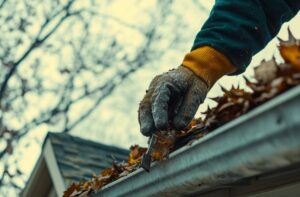
Gutters are designed to carry water, not hold it. When leaves, pine needles, and debris combine with rain and cold weather, the weight adds up fast.
A clogged gutter can:
- Pull away from the fascia
- Bend or crack under pressure
- Cause water to overflow onto siding and foundations
In the Sandhills region, winter rain can be heavy even without snow. If gutters aren’t cleared before the holidays, they may already be under strain when decorations and seasonal moisture are added. Gutter failure often starts quietly and ends with expensive repairs.

What steps can homeowners take to protect their roof during the holidays?
A little preparation goes a long way
Holiday roof safety doesn’t require extreme measures—just smart ones. Here’s where homeowners see the biggest payoff.
- Clean gutters before decorating
- Inspect shingles and flashing for loose or damaged areas
- Use roof-safe clips and avoid penetrations
- Watch for recurring icicles or overflow after storms
- Schedule a professional inspection if anything looks off
These steps reduce risk not just during the holidays, but throughout the rest of winter. Think of it like changing the oil before a road trip—it’s not glamorous, but it keeps everything running.
When should you call a professional instead of handling it yourself?
When safety, height, or uncertainty come into play
If you’re unsure about your roof’s condition, it’s already time to call. Climbing ladders in winter carries real risk, and guessing about roof problems often leads to missed issues.
Professional roofers can:
- Spot early signs of leaks or structural stress
- Check gutters, ventilation, and flashing in one visit
- Recommend fixes that prevent repeat problems next winter
At Red Wolf Roofing, we’ve seen how small holiday-related issues can quietly snowball. A quick inspection now can save thousands later.
Curious minds corner: answers to common winter roof questions
Because your roof deserves fewer mysteries
Homeowners ask a lot of smart questions this time of year. Here are a few we hear often.
Is it okay to leave holiday lights up all winter?
It’s better to remove them after the season. Long-term exposure can trap moisture and stress attachment points.
Do gutter guards eliminate winter problems?
They help, but they’re not foolproof. Fine debris and heavy rain can still create buildup.
Should I worry if only one side of my roof has icicles?
Yes. Uneven icicle formation often points to ventilation or drainage issues.
Can winter damage wait until spring to fix?
Sometimes, but not always. Active leaks or sagging should be addressed immediately to prevent interior damage.
How does everything come together for a safer holiday season?
Peace of mind starts at the top
Holiday decorations should bring joy, not worry. When your roof, gutters, and drainage are working as they should, everything below stays protected—your ceilings, walls, insulation, and even your foundation.
A safe holiday roof isn’t about perfection. It’s about awareness, preparation, and knowing when to call in help. That’s how you enjoy the lights, the gatherings, and the quiet winter mornings without wondering what’s happening overhead.
If you’re in Sandhills, NC, and want confidence going into the season, Red Wolf Roofing is here to help. From inspections to repairs, we make sure your roof is ready for whatever winter—and the holidays—bring.
Reach out to Red Wolf Roofing today and let’s keep your home safe, dry, and ready to celebrate.