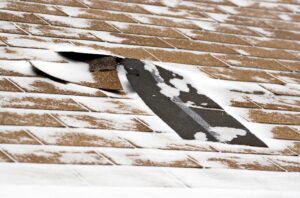
When most homeowners in Southern Pines think about winter roof problems, ice dams usually don’t top the list. After all, this isn’t Minnesota. Snowstorms are rare, winters are relatively mild, and long freezes don’t happen often.
But here’s the thing: ice dams don’t need harsh winters to cause damage. They need the right conditions. And those conditions absolutely can — and do — show up in Southern Pines from time to time.
If you’ve ever wondered whether ice dams are something you should actually worry about, this guide breaks it all down in plain language: what ice dams are, why they form here, how risky they really are, and what you can do to protect your roof before winter creates expensive surprises.
What Are the Key Takeaways Homeowners Should Know Right Away?
Before diving in, here’s the short version:
- Ice dams can form in Southern Pines during cold snaps and freeze-thaw cycles
- They don’t require heavy snowfall to cause damage
- Poor insulation and ventilation increase the risk
- Ice dams can lead to leaks, rot, and interior damage
- Preventative steps are far cheaper than emergency repairs
Now let’s slow it down and explain the “why” behind all of it.
What Exactly Is an Ice Dam?
How Ice Dams Form Along Roof Edges
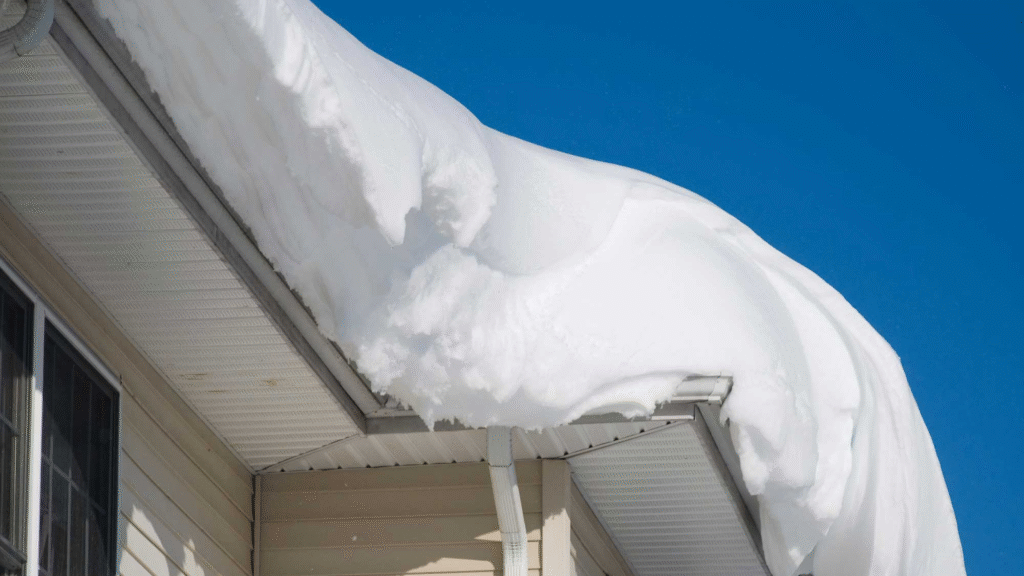
An ice dam forms when snow or moisture on a roof melts, flows downward, and then refreezes at the roof’s edge. Over time, that ice builds up into a ridge that blocks proper drainage.
Once water can’t drain off the roof, it backs up underneath shingles and into places water was never meant to go — like your attic, insulation, and ceilings.
Ice dams aren’t really about ice alone. They’re about trapped water with nowhere to escape.
Do Ice Dams Actually Happen in Southern Pines, NC?
Why Mild Winters Don’t Eliminate the Risk
Southern Pines doesn’t get frequent snow, but it does get temperature swings. That’s the key factor.
Ice dams can form when:
- Daytime temperatures rise above freezing
- Overnight temperatures drop below freezing
- Moisture sits on the roof from rain, frost, or light snow
Those freeze-thaw cycles are common during North Carolina winters, especially during short cold snaps followed by sunny afternoons.
So while ice dams may be less common here than in colder states, they are absolutely possible — and when they happen, homeowners are often caught off guard.
Why Are Ice Dams Dangerous for Roofs?
How Small Ice Buildup Can Lead to Big Damage
Ice dams don’t usually cause dramatic, visible destruction right away. Instead, they quietly allow water to sneak into your home.
That moisture can lead to:
- Roof leaks
- Rotting roof decking
- Mold growth in attic spaces
- Stained ceilings and walls
- Damaged insulation
By the time water shows up inside, the problem has usually been building for a while.
What Makes Some Homes More Vulnerable Than Others?
How Insulation, Ventilation, and Design Play a Role
Not every home in Southern Pines faces the same level of risk. Certain factors make ice dams more likely.
Homes are more vulnerable when they have:
- Poor attic insulation
- Inadequate roof ventilation
- Complex rooflines or valleys
- Older roofing materials
- Blocked or poorly draining gutters
Warm air escaping into the attic raises roof temperatures unevenly, melting moisture higher up while the edges stay cold — a perfect recipe for ice dams.
How Can Homeowners Spot Early Signs of Ice Dam Problems?
What to Look for Before Damage Spreads
Ice dams don’t always announce themselves clearly, but there are warning signs.
Outside your home, watch for:
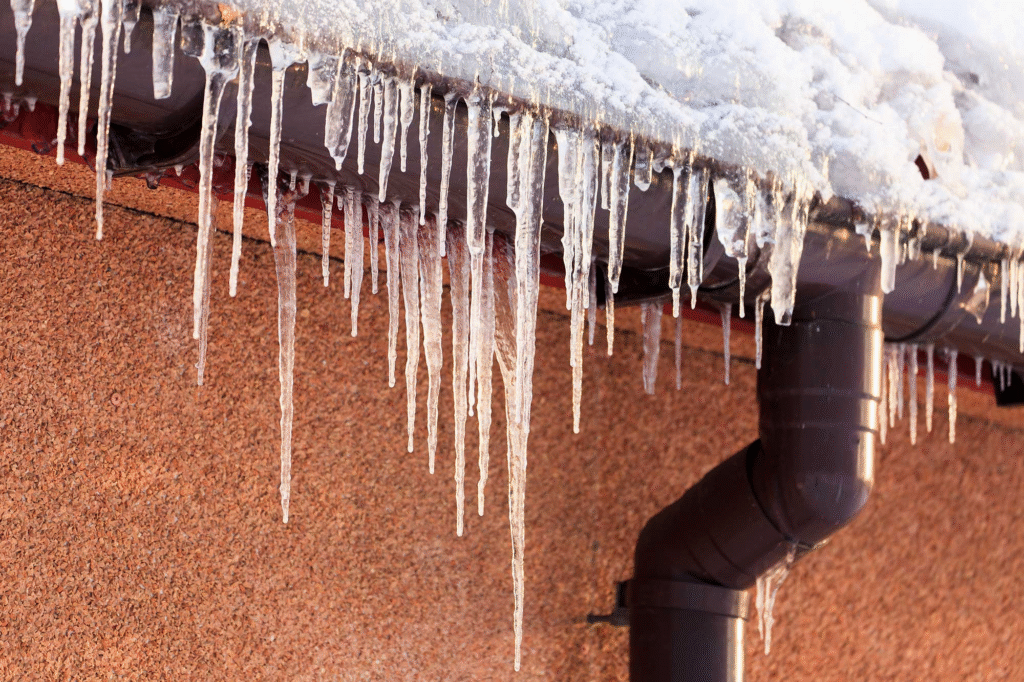
- Icicles forming along roof edges
- Ice buildup near gutters
- Water pooling behind ice ridges
Inside your home, pay attention to:
- Water stains on ceilings
- Damp insulation in the attic
- Peeling paint near exterior walls
- Musty odors after cold weather
Catching these signs early can save thousands in repairs.
What Preventative Steps Actually Help Reduce Ice Dam Risk?
Practical Actions Homeowners Can Take Before Winter
Prevention is where homeowners win. Small improvements can dramatically reduce risk.
Here are some effective steps:
- Seal air leaks between living spaces and the attic
- Improve attic insulation to maintain even roof temperatures
- Ensure proper attic ventilation
- Clean gutters so water can drain freely
- Address damaged or aging shingles before winter
You don’t need extreme winter weather for ice dams — just the wrong combination of warmth and cold.
How Do Gutters and Drainage Affect Ice Dam Formation?
Why Water Flow Matters More Than You Think
Gutters that are clogged or sagging trap water. When temperatures drop, that trapped water freezes and adds to ice buildup along roof edges.
Well-maintained gutters help:
- Move water away from roof edges
- Reduce ice formation
- Protect fascia boards and siding
Gutter maintenance is one of the simplest and most overlooked defenses against winter roof damage.
Can Ice Dams Cause Long-Term Roof Damage?
Why One Bad Winter Can Shorten Roof Lifespan
Even a single ice dam event can weaken roofing materials. Repeated moisture exposure compromises shingles, underlayment, and wood components.
Over time, this can:
- Shorten roof lifespan
- Increase repair frequency
- Lead to unexpected replacements
Preventative care protects both your roof and your budget.
Should Homeowners Try to Remove Ice Dams Themselves?
When DIY Efforts Can Do More Harm Than Good
It’s tempting to grab a ladder and start chipping away at ice. Unfortunately, that often causes more damage.
DIY removal risks:
- Broken shingles
- Damaged gutters
- Personal injury
The safest approach is prevention first — and professional help if ice buildup becomes severe.
What Questions Do Homeowners Ask Most About Ice Dams?
Straight Answers to Common Winter Roofing Concerns
Are ice dams covered by insurance?
Coverage depends on your policy and whether damage resulted from sudden events or ongoing maintenance issues.
Do metal roofs prevent ice dams?
They reduce risk but don’t eliminate it without proper insulation and ventilation.
Can ice dams form without snow?
Yes. Freezing rain and frost can contribute.
How often should roofs be inspected?
At least once a year and after major weather changes.
Is attic insulation really that important?
Absolutely. It’s one of the biggest factors in ice dam prevention.
Why Is Professional Inspection So Important in Southern Pines?
How Local Experience Makes a Difference
Roofing risks in Southern Pines are different from those in colder climates. Local professionals understand the specific weather patterns, construction styles, and common vulnerabilities in North Carolina homes.
A professional inspection helps:
- Identify hidden risks
- Improve energy efficiency
- Prevent winter damage
- Extend roof lifespan
It’s not about fear — it’s about foresight.
Bringing It All Home: Protecting Your Roof Before Winter Hits
The Smart Way to Stay Ahead of Ice Dam Damage
Ice dams may not be an everyday concern in Southern Pines, but when conditions line up, they can cause serious headaches. The good news is that most ice dam damage is preventable with proper preparation and expert guidance.
If you want confidence heading into winter, contact Red Wolf Roofing in North Carolina. Our team understands local conditions and knows how to protect roofs before small problems turn into costly repairs. One smart inspection now can save you a lot of trouble later.