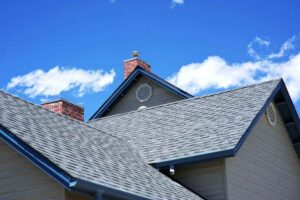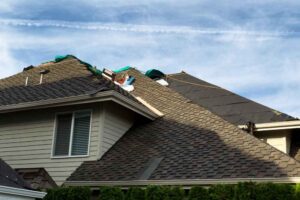
When most folks think about a roof, they picture shingles. Maybe metal panels. Something you can see from the street.
But here’s the truth: the real hero of your roofing system isn’t the part that shows off. It’s the layer underneath—the underlayment.
In Lillington, North Carolina, where heavy rain, humidity, and summer heat are just part of life, roofing underlayment plays a bigger role than most homeowners realize. If your roof has ever leaked after a storm or shown signs of hidden moisture damage, there’s a good chance underlayment had something to do with it.
Let’s pull back the shingles and talk about what roofing underlayment actually does—and why it matters so much for homes in Harnett County.
Key Takeaways
- Roofing underlayment is the protective barrier between your shingles and roof decking.
- It provides secondary water resistance during heavy rain and storms.
- In Lillington’s humid climate, underlayment helps prevent moisture damage and rot.
- There are different types of underlayment, including felt, synthetic, and rubberized options.
- Proper installation is just as important as choosing the right material.
- Skipping or cutting corners on underlayment can lead to costly structural repairs.
What Is Roofing Underlayment and Where Does It Sit on Your Roof?
It’s the Protective Layer Between Your Shingles and the Wood Beneath
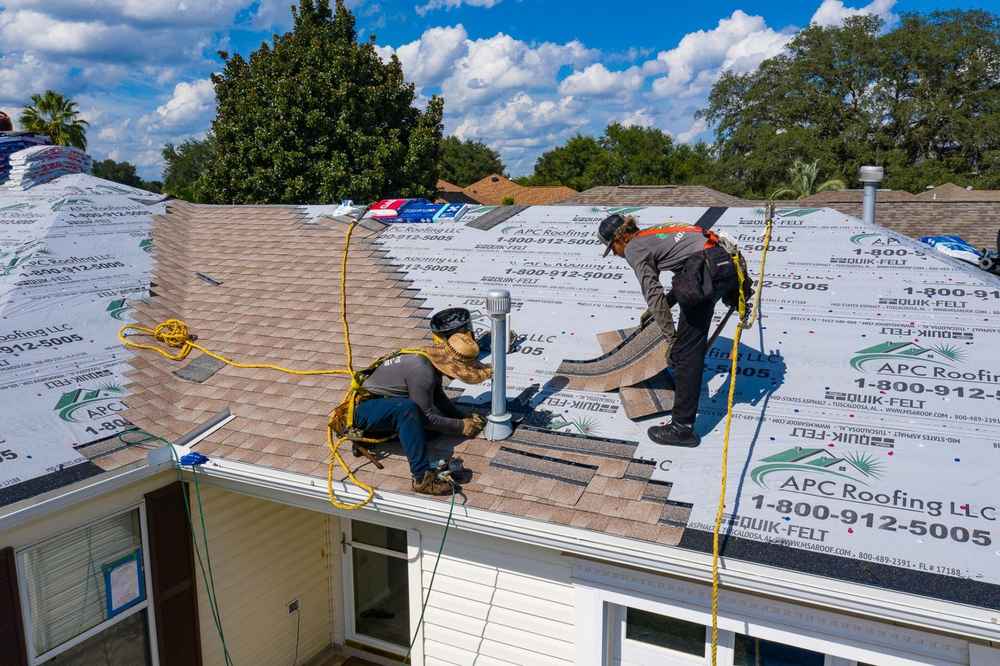
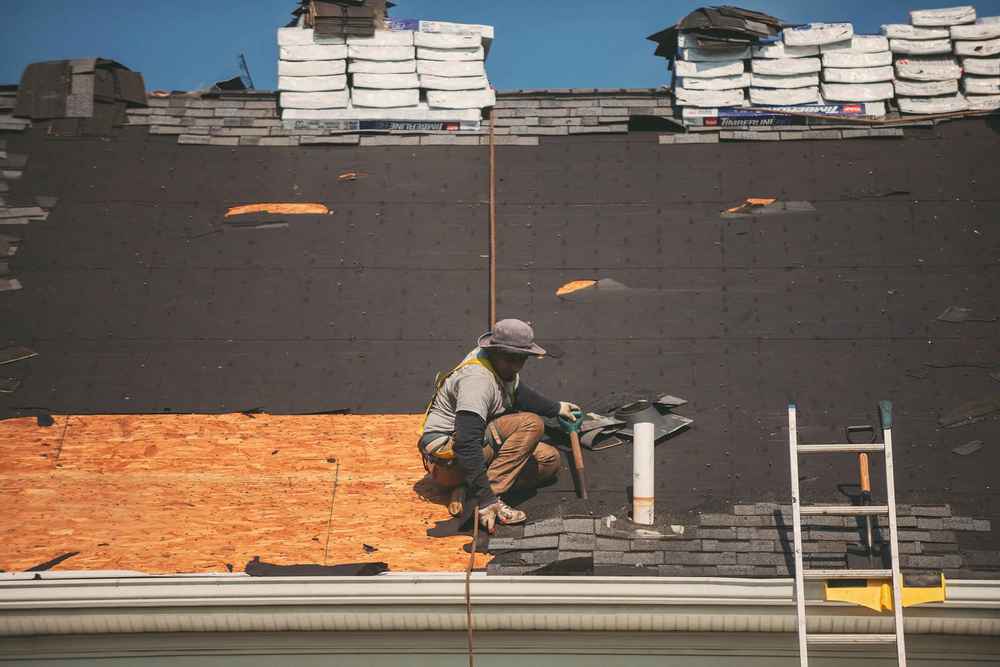
Underlayment is a water-resistant or waterproof barrier installed directly on top of your roof decking before shingles or metal panels go on.
Think of your roof like layers of clothing in a storm:
- The decking is your skin.
- The underlayment is your rain jacket.
- The shingles are your outer shell.
If wind drives rain beneath your shingles—or a shingle blows off entirely—the underlayment is what stands between your home and water intrusion.
In a place like Lillington, where summer thunderstorms can dump inches of rain in a short time, that extra layer of defense matters.
Why Does Underlayment Matter So Much in Lillington, NC?
Because Our Weather Doesn’t Play Nice
Lillington sits along the Cape Fear River basin and experiences hot, humid summers and frequent storms. Moisture is part of daily life here.
That constant humidity increases the risk of:
- Mold growth
- Wood rot
- Decking deterioration
- Insulation damage
- Interior ceiling stains
When shingles alone can’t keep out wind-driven rain, underlayment steps in.
During tropical systems or heavy summer downpours, water can be pushed upward under shingle edges. Without a properly installed underlayment, that water seeps directly into the decking.
That’s when small problems turn into big repair bills.
What Types of Roofing Underlayment Are Used on North Carolina Homes?
Not All Underlayment Is Created Equal
There are three main types of roofing underlayment commonly used in Lillington homes.
Felt underlayment (also called tar paper)
This is the traditional option. It’s made from asphalt-saturated paper and has been used for decades. It’s affordable and still widely installed.
Synthetic underlayment
Made from durable polymers, synthetic underlayment is lighter, stronger, and more tear-resistant than felt. It handles moisture better and holds up well during installation.
Rubberized asphalt underlayment
This is a premium option. It’s self-adhering and creates a waterproof seal, especially around vulnerable areas like valleys and roof penetrations.
In many North Carolina roofing systems, contractors use a combination. For example:
- Rubberized underlayment in valleys and eaves
- Synthetic underlayment across the main decking
The right choice depends on your roof’s slope, material, and budget.
Does Underlayment Make a Difference During Storm Season?
Absolutely—It Can Be the Difference Between a Close Call and a Major Leak
When wind lifts shingles or hail cracks them, your underlayment becomes the last line of defense.
Here’s what it helps protect against:
- Wind-driven rain during thunderstorms
- Temporary exposure if shingles are damaged
- Ice dam-related moisture in rare winter events
- Slow leaks that would otherwise soak into decking
Even if shingles fail in one section, quality underlayment can buy you time before water reaches your attic or ceilings.
That time matters.
Can Underlayment Help With Roof Longevity?
Yes, It Reduces Moisture Damage That Shortens Roof Life
Moisture is the enemy of roofing systems. In humid regions like Lillington, trapped moisture accelerates deterioration.
Underlayment helps by:
- Acting as a moisture barrier
- Reducing water absorption into decking
- Supporting proper drainage
- Limiting mold and mildew growth beneath roofing materials
When decking stays dry, shingles perform better. When shingles perform better, your roof lasts longer.
It’s not flashy—but it’s foundational.
What Happens If Underlayment Is Installed Incorrectly?
Small Mistakes Can Lead to Big Repairs
Improper installation is one of the most common causes of premature roof failure.
Common underlayment mistakes include:
- Inadequate overlap between sheets
- Poor fastening patterns
- Wrinkles that trap water
- Failure to seal valleys and penetrations properly
- Using the wrong material for the roof slope
In Lillington’s storm-prone climate, these shortcuts show up quickly.
Water doesn’t need a big opening. It just needs a gap.
That’s why skilled installation matters as much as material selection.
Is Underlayment Required by North Carolina Building Code?
Yes, and for Good Reason
North Carolina building codes require underlayment beneath most roofing materials. The exact specifications depend on roof slope and material type.
These requirements exist because the state recognizes the risk posed by heavy rain, tropical systems, and humidity.
If a contractor suggests skipping underlayment to save money, that’s a red flag.
How Do You Know If Your Underlayment Has Failed?
The Signs Often Show Up Inside First
You usually won’t see underlayment damage from the outside.
Instead, you might notice:
- Water stains on ceilings
- Damp attic insulation
- Mold or musty odors
- Soft spots in decking during inspection
- Repeated small leaks after storms
If your roof is older and showing these symptoms, underlayment deterioration could be part of the issue.
A professional roof inspection can determine whether repairs are sufficient or replacement is necessary.
Is Synthetic Underlayment Worth the Upgrade in Lillington?
For Many Homeowners, Yes
Synthetic underlayment has grown in popularity for good reason.
Compared to traditional felt, it offers:
- Better tear resistance during installation
- Greater durability in high winds
- Improved moisture protection
- Longer exposure tolerance if shingles are delayed
In a region with unpredictable weather patterns, that added resilience can provide peace of mind.
It may cost slightly more upfront, but it often performs better long term.
The Layer Beneath the Shingles: Straight Answers for Lillington Homeowners
Does Underlayment Stop Roof Leaks?
It Helps Prevent Water From Reaching Your Home
Underlayment isn’t meant to replace shingles—but it acts as backup protection when shingles fail or water is forced underneath them.
How Long Does Roofing Underlayment Last?
Typically as Long as the Roofing Material Above It
When properly installed and protected by shingles, underlayment can last 20–30 years or more, depending on material type.
Can You Replace Underlayment Without Replacing the Roof?
Not Usually
Underlayment sits beneath shingles or metal panels. To replace it, the roofing material above must be removed.
Is Rubberized Underlayment Necessary in North Carolina?
It’s Highly Recommended in Vulnerable Areas
Valleys, eaves, and penetrations are leak-prone zones. Rubberized underlayment provides superior waterproofing in these spots.
How Do You Make Sure Your Underlayment Is Done Right?
You Work With a Contractor Who Treats the Hidden Layers Seriously
Here’s the thing about underlayment: you won’t see it once the job is done.
That means you’re trusting your contractor to do it right.
A quality roofing team will:
- Follow manufacturer guidelines precisely
- Ensure proper overlap and fastening
- Use appropriate materials for your roof slope
- Pay special attention to valleys and flashing details
- Inspect decking before installation
In Lillington, cutting corners on moisture protection is asking for trouble.
Built to Withstand Carolina Weather: Your Next Step
Roofing underlayment may not be visible from the curb, but it’s one of the most important components protecting your Lillington home.
It guards against wind-driven rain. It reduces moisture damage. It extends roof lifespan. And when installed properly, it quietly does its job for decades.
If you’re planning a roof replacement—or if you suspect hidden moisture damage—it’s time to look beneath the surface.
Contact Red Wolf Roofing in North Carolina for expert inspections, quality installations, and honest guidance. We understand how Carolina weather tests a roof, and we build systems designed to stand up to it. Because sometimes, the most important protection is the layer you never see.