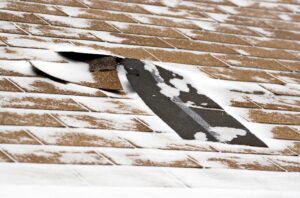
In Aberdeen, winter has a way of feeling manageable. The days are cool but rarely brutal. Snow is uncommon. Storms tend to pass through quietly instead of announcing themselves with force. Because of that, many homeowners assume winter is a low-risk season for roof problems.
That assumption is exactly what makes small winter leaks so dangerous.
In this part of North Carolina, winter leaks don’t usually show up as dramatic drips or sudden ceiling collapses. They start subtly. A damp patch that dries. A faint stain that’s easy to ignore. A musty smell that seems temporary. Meanwhile, moisture is spreading slowly through insulation, wood, and drywall — long before most homeowners realize anything is wrong.
This guide explains why winter leaks behave differently in Aberdeen, how small problems spread faster in cold weather, and what homeowners can do to stop damage before it grows.
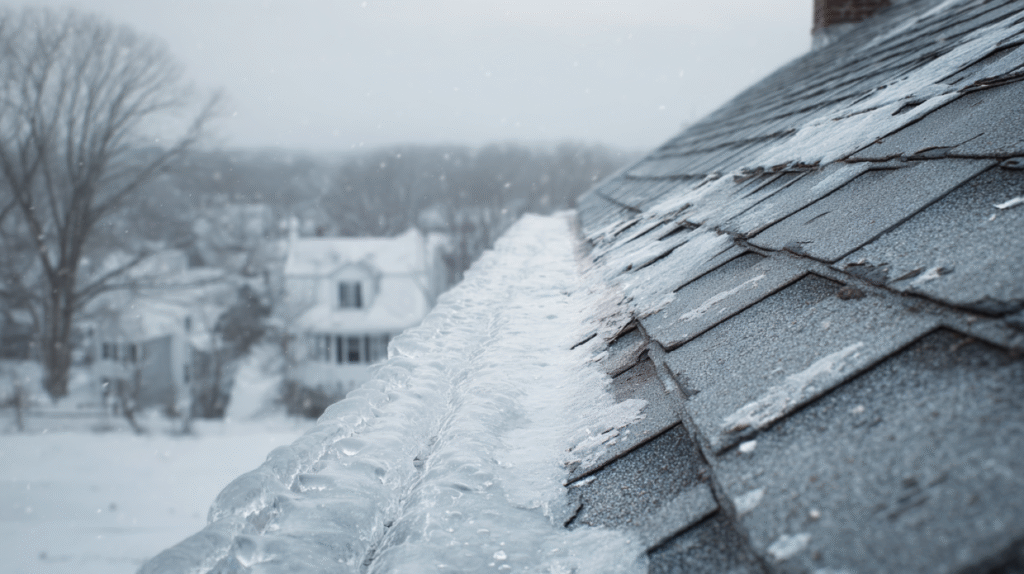
What Are the Key Takeaways Homeowners Should Know Right Away?
Here’s the short version:
- Winter leaks spread faster than summer leaks
- Moisture moves sideways through ceilings and insulation
- Temperature swings accelerate material breakdown
- Small stains often signal much larger hidden damage
- Early repairs cost far less than structural fixes
Let’s break down what’s really happening behind the drywall.
Why Are Winter Roof Leaks Harder to Detect Than Summer Leaks?
How Cold Weather Changes the Way Water Behaves
During warmer months, roof leaks tend to reveal themselves quickly. Water drips, stains grow fast, and humidity helps moisture evaporate once the rain stops. Winter changes that entire equation.
Cold air limits evaporation, and attic spaces remain cooler for longer periods. Instead of dripping straight down, water often soaks into insulation or roof decking and spreads gradually. That means visible signs can take weeks to appear — and when they do, they’re rarely located directly under the source of the leak.
By the time a stain shows up on a ceiling, moisture may have already traveled across multiple materials.
How Do Aberdeen’s Winter Conditions Accelerate Leak Spread?
Why Damp Cold Is Especially Problematic
Aberdeen winters are often wet rather than frozen solid. Rain, fog, and humidity are common, and temperatures frequently hover near freezing.
Those conditions allow moisture to remain trapped instead of drying out. Wood stays damp longer. Insulation holds water. Roofing components never fully dry between weather events. This creates an environment where even a small amount of water can continue migrating through the structure.
Instead of stopping when the rain ends, winter moisture keeps moving.
Why Do Small Leaks Spread Sideways Instead of Straight Down?
How Roofing and Ceiling Materials Redirect Water
Water follows the easiest path, not the most obvious one. In winter, that path is often horizontal.
Insulation absorbs moisture and spreads it outward. Roof decking pulls water along grain lines. Rafters and trusses redirect moisture toward joints and seams. Drywall naturally channels water along its edges before it becomes heavy enough to drip.
This is why homeowners often see damage far from where the roof problem actually exists — and why leaks can be so difficult to track without professional tools and experience.
How Do Freeze-Thaw Cycles Make Minor Leaks Worse?
Why Repeated Temperature Changes Expand Damage
Aberdeen frequently experiences warm days followed by cold nights. That constant expansion and contraction slowly works roofing materials loose.
Sealants harden and crack. Flashing shifts slightly. Shingles lift just enough to allow moisture underneath. Each cycle may only widen gaps by a fraction — but over time, those fractions add up.
What started as a barely noticeable weakness becomes a reliable entry point for water.
Why Does Attic Insulation Make Winter Leaks More Destructive?
How Insulation Hides Problems While Spreading Moisture
Insulation is meant to protect your home, but when it gets wet, it becomes part of the problem.
Once moisture reaches insulation, it spreads across a wider area while staying hidden from view. Wet insulation presses dampness against wood framing, encouraging rot and mold growth. At the same time, it loses its insulating value, making the home harder to heat and increasing energy costs.
Because insulation conceals moisture so well, leaks can go unnoticed for long periods.
What Early Warning Signs Should Aberdeen Homeowners Watch For?
Subtle Clues That Often Appear First
Winter leaks rarely announce themselves dramatically. Instead, they leave small clues that are easy to dismiss.
Inside the home, early signs may include faint ceiling discoloration, peeling paint near corners, cold drafts in upper rooms, or a persistent musty odor. In the attic, damp insulation, darkened wood, or frost forming on nails can all signal moisture problems.
These signs are your roof asking for attention — quietly.
Why Do Winter Roof Leaks Lead to Mold So Quickly?
How Cold, Damp Conditions Encourage Growth
Mold thrives in environments that stay damp and undisturbed. Winter provides exactly that.
Limited airflow, steady humidity, and slow drying allow mold spores to establish themselves quickly once moisture is present. Once mold takes hold, it spreads through insulation and wood framing, creating both health concerns and expensive remediation needs.
Stopping leaks early is one of the best ways to prevent mold growth altogether.
What Common Roofing Issues Trigger Small Winter Leaks?
Where Problems Most Often Begin
In Aberdeen, winter leaks often originate in small, overlooked areas. Aging flashing around chimneys and vents is a common culprit. Damaged or lifted shingles can allow moisture underneath. Poorly sealed roof penetrations and clogged gutters can also force water backward into the roofing system.
These issues rarely look serious at first — but they sit at some of the most vulnerable points on the roof.
How Can Homeowners Prevent Small Leaks From Spreading?
Practical Steps That Make a Real Difference
The most effective protection comes from attention and timing. Annual inspections help identify weak spots before winter weather exposes them. Addressing minor damage immediately prevents moisture from gaining a foothold.
Keeping gutters clean ensures proper drainage, while proper attic ventilation and insulation reduce condensation risks. Most importantly, avoiding temporary DIY fixes that hide damage rather than solve it keeps problems from resurfacing later.
Why Is Winter the Worst Time to Ignore Roof Repairs?
How Delays Multiply Damage and Cost
In winter, moisture doesn’t dry out — it lingers. Every day a leak goes unaddressed allows water to spread farther and penetrate deeper.
Delays often lead to rotting wood, mold growth, damaged ceilings, and higher energy bills. What could have been a straightforward repair turns into a larger project involving multiple trades and higher costs.
Early action limits damage. Waiting expands it.
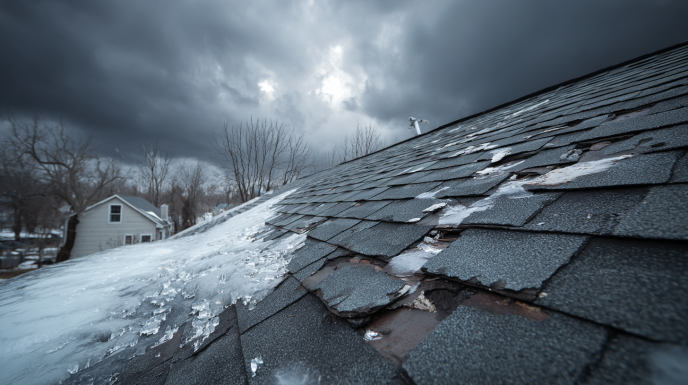
What Questions Do Homeowners Ask Most About Winter Roof Leaks?
Real Answers to Common Concerns
- Can a small winter leak wait until spring?
Waiting usually allows damage to spread and repairs to become more expensive. - Why did my ceiling stain appear far from the roof issue?
Water often travels sideways through insulation and framing before becoming visible. - Are winter leaks harder to fix?
They can be, which is why early detection is critical. - Will insurance cover slow leaks?
Coverage depends on policy details and whether damage resulted from neglect. - How often should my roof be inspected?
At least once a year, ideally before winter begins.
Why Does Local Roofing Experience Matter in Aberdeen?
How Regional Knowledge Saves Time and Money
Aberdeen’s climate creates specific moisture-related challenges. Local roofing professionals understand how leaks behave in this environment and know where winter problems typically start.
That experience allows for faster diagnosis, more effective repairs, and solutions that last.
Small Winter Leaks Need Immediate Attention
The Smart Way to Protect Your Home This Season
In Aberdeen, winter roof leaks don’t fail loudly — they spread quietly. By the time damage becomes obvious, moisture has often been at work for weeks or months.
If you’ve noticed even subtle signs of a leak, contact Red Wolf Roofing in North Carolina. Our team understands how winter moisture behaves locally and knows how to stop small leaks before they turn into major repairs.