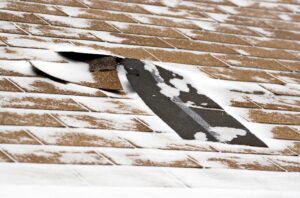
You might not notice it at first. A darker patch on one slope. A few curling shingles near the chimney. Moss grows stubbornly on one side while the rest looks fine. You’re not imagining things—roofs really do age unevenly.
Here in North Carolina, homeowners often ask us the same question: “Why does one side of my roof look older than the rest?” The short answer is that your roof lives a tougher life than you might think. It’s constantly exposed to different weather patterns, sunlight angles, moisture levels, and even airflow—all of which affect how each section holds up over time.
At Red Wolf Roofing, we see this pattern on almost every inspection. One side of the roof will be sunbaked and brittle, while another side looks ten years younger. Understanding why this happens isn’t just interesting—it’s essential for keeping your roof healthy and avoiding early replacement costs.
Let’s break down the main culprits behind uneven roof aging and what you can do to balance the odds.

1. Sunlight Exposure and Roof Orientation
The biggest factor in uneven roof wear is sunlight—specifically UV radiation. In the Northern Hemisphere, south- and west-facing roof slopes take the brunt of the sun’s power. These sides absorb more heat and UV rays throughout the day, especially during summer when the sun sits high and strong.
That extra exposure leads to:
- Fading and discoloration: The constant UV bombardment breaks down shingle pigments, causing noticeable color loss.
- Granule loss: Heat and light loosen the tiny protective granules on asphalt shingles, making them brittle and less reflective.
- Cracking and curling: High heat causes shingles to expand and contract more frequently, leading to surface cracking or warping.
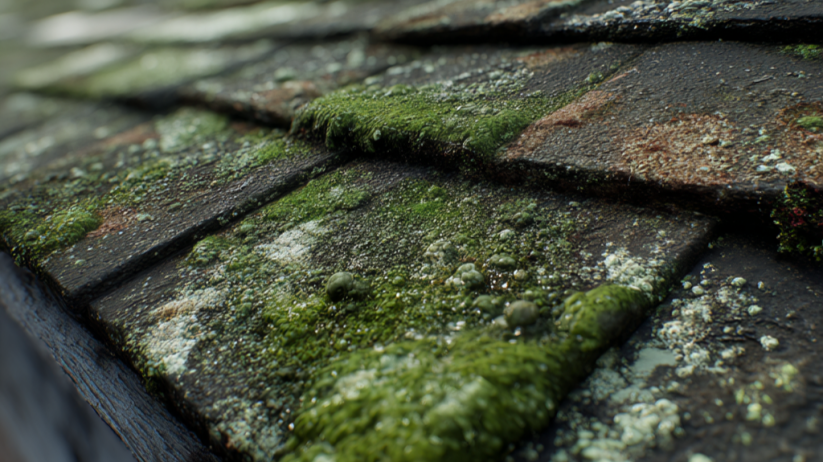
Meanwhile, the north-facing side of your roof often looks newer simply because it spends more time in the shade. Unfortunately, that shade can create its own set of problems—like algae, moss, and mildew growth from retained moisture.
So even though one slope “ages” from sunlight and heat while the other “ages” from dampness and organic growth, both sides degrade in their own unique ways.
2. Roof Design and Airflow
Every roof has its own personality. Some have steep pitches that shed water quickly, while others have valleys and ridges that trap debris or moisture. The way your roof is built—and how air moves over it—plays a huge role in how evenly it ages.
- Valleys and low spots: These areas collect rainwater, leaves, and debris, leading to longer moisture exposure. That trapped moisture can seep under shingles, weakening them faster than other areas.
- Ridges and peaks: These zones endure the harshest winds, which can lift shingles or loosen flashing over time.
- Uneven ventilation: Poor attic airflow traps heat beneath certain roof sections. This “hot spot” effect accelerates wear on shingles above the attic space while other areas stay cooler and age more slowly.
If you notice that only one area of your roof shows curling shingles or soft spots, airflow and drainage are often to blame. Proper ventilation and balanced roof design can help even out these extremes and extend your roof’s lifespan.
3. Moisture Retention and Drainage Problems
Water is a slow destroyer. Even without major leaks, constant moisture exposure causes materials to swell, rot, and deteriorate. On a roof, this happens unevenly depending on how well each section drains.
Common causes include:
- Improper gutter slope: Gutters that don’t drain properly can back up and cause water to linger near the eaves.
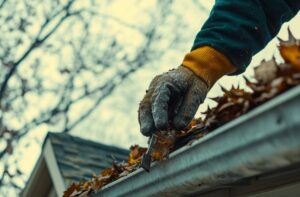
- Clogged valleys or downspouts: Debris like pine needles, leaves, and dirt trap water during storms, allowing it to sit longer on one section of the roof.
- Low-slope areas: Sections with shallower pitch shed water more slowly, giving it extra time to work its way under shingles.
- Shaded sections: Roof areas under tree cover stay damp longer, allowing moss and lichen to take hold.
Moisture issues don’t just cause visual wear—they create structural risks. Trapped water accelerates rot in decking and shortens the lifespan of shingles, flashing, and underlayment. That’s why regular cleaning and inspection are crucial, especially after a wet season or heavy storms.
4. Environmental Factors Around Your Home
The environment your roof lives in can be as important as the materials it’s made from. Everything from nearby trees to your home’s orientation on the lot affects how different areas age.
Here’s what we commonly see in North Carolina neighborhoods:
- Overhanging branches: Constant shade and falling debris promote moss growth and trap moisture. Branches also scrape and damage shingles during windstorms.
- Tree sap or pollen: Certain trees release sticky substances that cling to shingles, holding dirt and moisture in place.
- Proximity to ponds or lakes: Extra humidity increases the likelihood of algae and mildew growth on shaded roof slopes.
- Prevailing wind direction: The side of your home that faces the most frequent wind gusts takes more impact from flying debris, rain, and hail.
- Urban heat effects: In city settings, reflected heat from nearby buildings or pavement can cause localized “hot zones” that speed up roof aging.
If one side of your roof consistently looks dirtier, greener, or more weathered, the surrounding environment might be the main culprit.
5. Attic Ventilation and Insulation Imbalance
You’ve probably heard us talk about attic ventilation before—and for good reason. When your attic doesn’t breathe properly, heat and moisture collect under your roof, creating uneven pressure and temperature zones.
Hot, stagnant air under one section of the roof can bake shingles from beneath, even when the exterior looks fine. Meanwhile, poorly insulated areas can cause “thermal shock,” where shingles expand and contract more rapidly than their neighbors. Over time, this difference leads to cracks, lifting, and uneven fading.
A balanced ventilation system includes:
- Intake vents at the eaves or soffits to pull in cool air
- Exhaust vents near the ridge to release hot air
- Even airflow across the entire attic space
Without that balance, some roof sections endure constant overheating while others remain stable—creating visible differences in aging across your roofline.
6. Quality of Materials and Past Repairs
If your roof has been repaired or replaced in sections over the years, differences in materials or workmanship can create visible aging discrepancies. For example, one part of the roof may use newer shingles with better UV protection, while older areas continue to wear at a faster rate.
We also see issues when homeowners use lower-quality shingles or patchwork fixes that don’t match the original installation. Over time, those areas fade differently, react to heat differently, and age faster than the rest.
The same goes for underlayment and flashing—cut corners beneath the surface almost always reveal themselves after a few seasons of North Carolina sun and rain.
7. The Human Factor: Maintenance Habits
Finally, let’s be honest—some areas of the roof simply get more attention than others. Maybe you’ve cleaned moss off the front slope because it’s visible from the street but ignored the backside where leaves pile up. Or perhaps the gutters near the driveway get cleared twice a year, while the ones over the garage haven’t been touched in a while.
Small differences in care add up over time. The roof is a system, and when one part is neglected, the rest eventually feels the strain.
A few simple habits can make a world of difference:
- Clean gutters and downspouts twice a year.
- Trim back overhanging trees before spring storm season.
- Have professional inspections annually—or after severe weather.
- Keep ventilation systems clear and unobstructed.
- Address small leaks or lifted shingles before they spread.
Consistent maintenance across all roof areas helps slow down uneven wear and extends the overall life of your investment.
How We Diagnose and Balance Roof Aging
At Red Wolf Roofing, we start every inspection with one goal: find out why certain areas are wearing faster. We don’t just patch symptoms—we identify the underlying causes.
Our process includes checking:
- Roof orientation and exposure patterns
- Gutter and drainage performance
- Ventilation and insulation balance
- Material quality and installation consistency
- Signs of moisture buildup or biological growth
From there, we’ll outline an honest plan—whether that means targeted repairs, improved airflow, or, in some cases, a full roof replacement using materials that better resist UV and moisture stress.
We also take the time to educate homeowners about how local conditions, shade, and maintenance routines affect long-term roof health. Because the more you understand your roof, the better you can protect it.
A Balanced Roof Is a Long-Lasting Roof
It’s natural for roofs to age, but they shouldn’t age unevenly. When one section looks years older than another, it’s a sign your roof is fighting an uphill battle against the elements. The sooner you identify the cause—sun, moisture, poor ventilation, or a mix of all three—the easier and cheaper it is to fix.
At Red Wolf Roofing, we help North Carolina homeowners uncover those hidden imbalances and restore their roofs to full strength. Whether it’s a small repair, ventilation upgrade, or full replacement, we focus on quality, transparency, and solutions built for the local climate.
If you’ve noticed your roof wearing unevenly or want to make sure it’s aging the way it should, contact Red Wolf Roofing today. We’ll take a closer look, explain what’s happening, and give you a clear plan to keep your roof strong, balanced, and beautiful for years to come.
Because a well-balanced roof doesn’t just protect your home—it protects your peace of mind.