Most North Carolina homeowners worry about the obvious roof threats—heavy rain, hail, and the occasional windstorm that rattles the gutters. But the biggest danger to your asphalt shingle roof isn’t a storm at all. It’s the quiet, relentless sunlight that beats down every day, year after year.
You can’t see the damage happening in real-time, but ultraviolet (UV) radiation slowly cooks and dries out your shingles. Over time, that exposure causes the protective granules to loosen and wash away, leaving your roof vulnerable to cracking, curling, and leaks.
At Red Wolf Roofing, we see it all the time during inspections across the Sandhills and central North Carolina: roofs that look fine from the ground but tell a different story up close. The truth is, granule loss is one of the earliest warning signs of roof aging—and most homeowners miss it until it’s too late.
So let’s pull back the curtain on UV damage, explain what granule loss really means, and show you how to protect your roof before the North Carolina sun takes its toll.
The Science Behind Granule Loss and UV Damage
Asphalt shingles are built to do more than just look good—they’re designed to take a beating. Each shingle consists of a fiberglass mat coated with asphalt and topped with a layer of mineral granules. Those granules are the unsung heroes of your roof. They reflect sunlight, protect the asphalt from UV rays, and give shingles their color and texture.
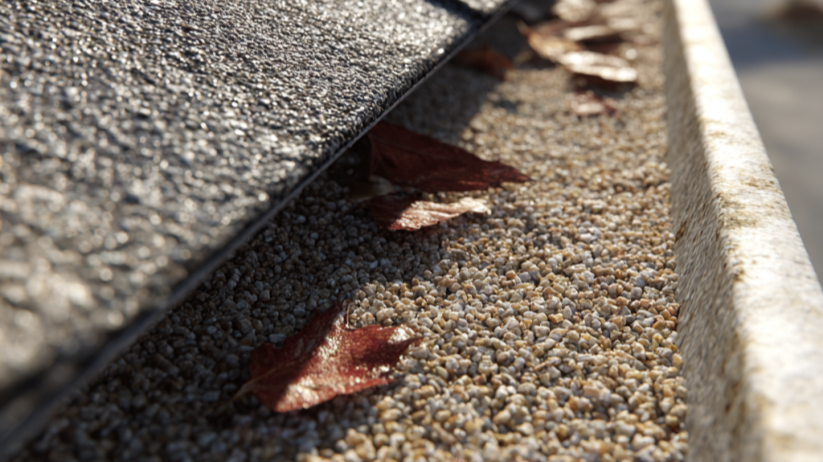
But here’s the catch: over time, UV radiation from the sun begins to break down the asphalt binder that holds those granules in place. When that happens, the granules loosen, wash into your gutters, and expose more of the shingle’s asphalt surface to direct sunlight. Once that protective layer is gone, the cycle speeds up—like peeling paint on a fence that’s been left out in the sun too long.
In North Carolina, where summers can be long, bright, and humid, UV radiation is particularly intense. Combine that with high heat and seasonal storms, and you’ve got a recipe for accelerated roof wear.

What Granule Loss Looks Like
You don’t need a ladder to notice the early signs of granule loss. A quick walk around your home after a storm or a few dry, sunny weeks can tell you a lot.
Keep an eye out for:
- Grit in the gutters or at downspouts: If you see small, sand-like particles washing out, that’s your roof’s granules heading for the drain.
- Dark, bald patches on shingles: These areas indicate where granules have completely worn away, exposing the underlying asphalt.
- Uneven color or texture: Faded or patchy shingles often mean some areas are losing granules faster than others.
- Discoloration streaks: While sometimes mistaken for algae, these can also signal granule loss due to uneven UV exposure.
- Tiny black specks on the driveway after rain: That’s another subtle sign of granules washing off your roof during storms.
A little granule loss is normal—especially on new roofs right after installation—but steady or worsening loss is a sign of aging shingles that need attention.
The Hidden Effects Most Homeowners Miss
Granule loss isn’t just a cosmetic issue. Once your shingles start losing granules, the problems go deeper than what you can see from the ground.
Here’s what happens behind the scenes:
- Reduced UV protection: With fewer granules, shingles absorb more heat, which accelerates aging and makes them more brittle.
- Faster roof deterioration: The asphalt layer underneath begins to dry out and crack, creating tiny entry points for water.
- Energy inefficiency: As your roof absorbs more heat, attic temperatures rise, forcing your air conditioner to work harder—and driving up energy costs.
- Shortened lifespan: Even a small amount of granule loss, if left unchecked, can shave years off your roof’s life expectancy.
- Insurance claim complications: Many homeowners don’t realize that visible granule loss can affect coverage. Insurers often classify it as “wear and tear” rather than storm damage, meaning repairs may fall on you.
By the time you notice leaks or curling shingles, the damage has usually spread beyond the surface. That’s why it pays to spot granule loss early and address it correctly.
Why North Carolina Roofs Are Especially at Risk
The Tar Heel State has the perfect conditions for UV-related roof wear. We get the best (and worst) of both worlds: hot, sunny summers and unpredictable weather the rest of the year.
In the Sandhills, for example, daily temperatures frequently climb into the 90s, and UV exposure ranks among the highest in the Southeast. The combination of sunlight, humidity, and afternoon thunderstorms creates constant expansion and contraction in roofing materials. That movement loosens granules faster and weakens the adhesive bonds holding shingles in place.
Even in more temperate parts of the state, seasonal temperature swings take their toll. The difference between a 30°F winter morning and an 80°F afternoon in early spring puts stress on shingles that accelerates aging. Over time, the protective granules simply can’t keep up.
Preventing UV Damage and Granule Loss
You can’t stop the sun, but you can help your roof handle it better. A few smart maintenance habits and material choices can make all the difference.
Here’s how to protect your roof from UV radiation and extend its lifespan:
- Schedule regular roof inspections: Have a professional check your roof at least once a year—ideally before and after storm season. We look for granule loss, soft spots, and UV damage you might not see from the ground.
- Keep your roof clean: Algae, moss, and debris trap moisture that can accelerate shingle decay. Gently washing or brushing debris away helps the surface breathe and dry properly.
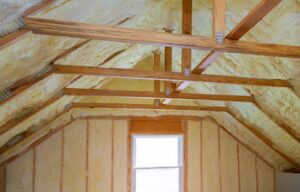
- Ensure proper attic ventilation: A well-ventilated attic prevents excess heat buildup, reducing the temperature difference between your roof and living space. That balance minimizes thermal stress on shingles.
- Trim overhanging trees: Shade can be good, but falling branches and constant debris buildup aren’t. Keeping trees trimmed allows air to circulate while reducing damage risk during storms.
- Consider reflective or “cool” roofing materials: Modern shingles are available with reflective coatings that bounce sunlight away, reducing UV exposure and lowering surface temperature.
- Act early on small repairs: If you notice minor bald patches or shingle cracks, get them repaired before they spread. Delaying only gives the sun more time to do damage.
These steps don’t just prevent granule loss—they help maintain your roof’s efficiency, energy performance, and lifespan.
The Role of Professional Inspections
Homeowners often think they can spot roof problems from the ground, but granule loss and UV damage are subtle. By the time you notice bald spots or leaks, the underlying structure may already be compromised.
At Red Wolf Roofing, we perform comprehensive roof inspections tailored for North Carolina’s climate. We don’t just look at the surface—we evaluate how your entire roofing system is handling the sun, from shingles and flashing down to ventilation and insulation.
Our inspection includes:
- A detailed visual analysis for UV wear and granule loss
- Gutter and downspout checks for sediment buildup
- Attic ventilation and insulation assessment
- Recommendations for repairs, coatings, or shingle replacements
The goal is to catch problems early, give you options, and protect your roof before small issues become costly ones.
When It’s Time to Consider Replacement
Sometimes, granule loss signals more than just wear—it means your roof is nearing the end of its lifespan. If your shingles are brittle, curling, or showing widespread discoloration, replacing the roof may be more cost-effective than constant patchwork.
Modern roofing systems, especially those with reflective or impact-resistant shingles, offer far better protection against UV radiation and storm damage than older models.
If you’re not sure where your roof stands, our team can give you an honest assessment. We’ll tell you if it still has life left—or if replacing it now will save you money in the long run.
Protect Your Roof Before the Sun Wins
UV radiation and granule loss may not sound dramatic, but they’re among the most destructive forces your roof will ever face. In North Carolina’s climate, that daily exposure quietly wears down even the toughest shingles. By the time leaks show up, the damage is already done.
At Red Wolf Roofing, we help homeowners get ahead of the problem. Whether you need a professional inspection, maintenance plan, or full roof replacement, our team combines local expertise with top-tier materials built to handle the North Carolina sun.
Don’t wait until you’re sweeping granules out of your gutters after every rainstorm. Contact Red Wolf Roofing today for a full inspection and learn how we can help your roof stay strong, cool, and sun-resistant for years to come.
Because the best time to protect your roof from the sun is before you see the damage it leaves behind.