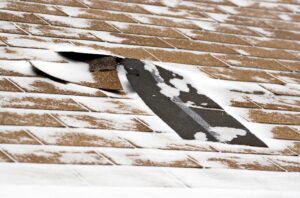
Every spring, after the first big storm rolls through North Carolina, we start getting the calls. Homeowners in the Sandhills climb up to check a few missing shingles, patch a small leak, or secure some flashing with whatever supplies they can find in the garage. It feels like the smart thing to do—saving a few hundred bucks and a little time. But then, a few weeks later, another storm hits. And suddenly, that “temporary fix” turns into water stains on the ceiling, warped decking, or worse—an entire section of roof that’s compromised.
At Red Wolf Roofing, we’ve seen it all. Torn shingles nailed down backwards. Caulk smeared over cracked flashing. Tar paper held in place with duct tape. Most of these repairs start with good intentions, but end up costing homeowners far more than they ever expected.
DIY roof repair might seem like a money-saver, but once spring storms start flexing their muscles, small mistakes can snowball into major damage. Let’s talk about why that happens, what we see most often, and how to protect your roof—and your wallet—the right way.
Why DIY Roofing Seems Tempting
It’s easy to see the appeal. Roofing work looks simple enough from the ground: climb up, patch the hole, replace a shingle, done. And with a few YouTube tutorials and a trip to the hardware store, it feels doable.
For many homeowners, the motivation comes down to three things:
- Cost: Professional roof repairs can feel expensive, especially when you’re already dealing with storm cleanup or insurance headaches.
- Speed: When you’ve got a visible leak or damage, it’s tempting to jump into action right away.
- Pride: There’s a sense of satisfaction in fixing your own home. You want to protect what’s yours—and sometimes, that means rolling up your sleeves.
But roofing isn’t like painting a wall or changing a door hinge. It’s a complex system where every layer, nail, and seam works together. Without the right knowledge, a quick fix can easily make things worse.
The Hidden Costs of Doing It Yourself
Here’s the truth: most of the damage we repair after storms isn’t caused by the storm itself—it’s caused by the repairs that followed. What starts as a small oversight often grows into a much bigger problem once the weather strikes again.
Here are the most common issues we see after DIY roof repairs:
- Improper sealing: Homeowners often use the wrong sealant or apply too much, creating small pockets where water can collect instead of drain. Over time, those trapped pockets lead to rot and leaks.
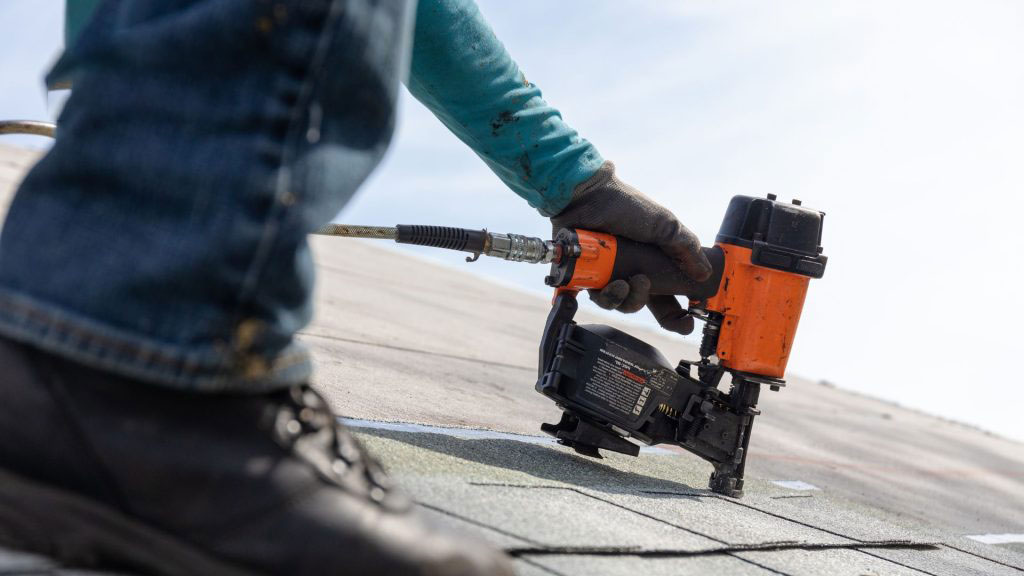
- Incorrect shingle installation: Shingles have to overlap at specific angles and be nailed in exact spots. Too few nails, or nails placed too high, let wind catch and tear them away during the next storm.
- Damaged underlayment: Many DIY repairs only address surface-level problems, ignoring the underlayment beneath the shingles. When that layer’s compromised, water infiltrates faster than you think.
- Roof vent mistakes: Vents are critical for airflow. We often see them accidentally sealed shut—or installed incorrectly—leading to trapped heat, condensation, and premature shingle failure.
- Unseen structural damage: A small leak might mean something deeper, like rotting decking or weakened rafters. Covering it up doesn’t fix it—it just hides it until the problem gets bigger.
And then there’s safety. Even a single slip on a damp roof can land someone in the hospital. The money saved by skipping a contractor rarely outweighs the risk.
What Storms Reveal About DIY Repairs
When the wind picks up and the rain starts pounding, that’s when a roof’s true condition shows itself. Every spring, after the first big thunderstorm, we start inspecting homes where quick-fix repairs couldn’t hold up.
Here’s what storms tend to expose:
- Loose shingles flying off: Nails that didn’t grab the decking properly get ripped right out under high winds.
- Leaks that spread quickly: What starts as a tiny drip after one storm becomes a steady trickle through drywall after the next.
- Soft or sagging spots: Moisture trapped under makeshift patches can rot the plywood decking underneath.
- Mold growth in attics: Once water seeps in, humidity in the Sandhills turns damp wood into a breeding ground for mold.
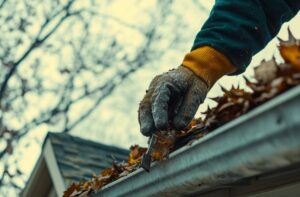
- Gutter damage: Improperly placed tarps or tools can dent or disconnect gutters, leading to poor drainage and foundation issues.
We don’t say this to shame anyone. Homeowners are trying their best to protect their property. But the reality is that modern roofing systems are engineered to perform as a complete unit. When you patch just one piece without addressing the rest, the whole system suffers.
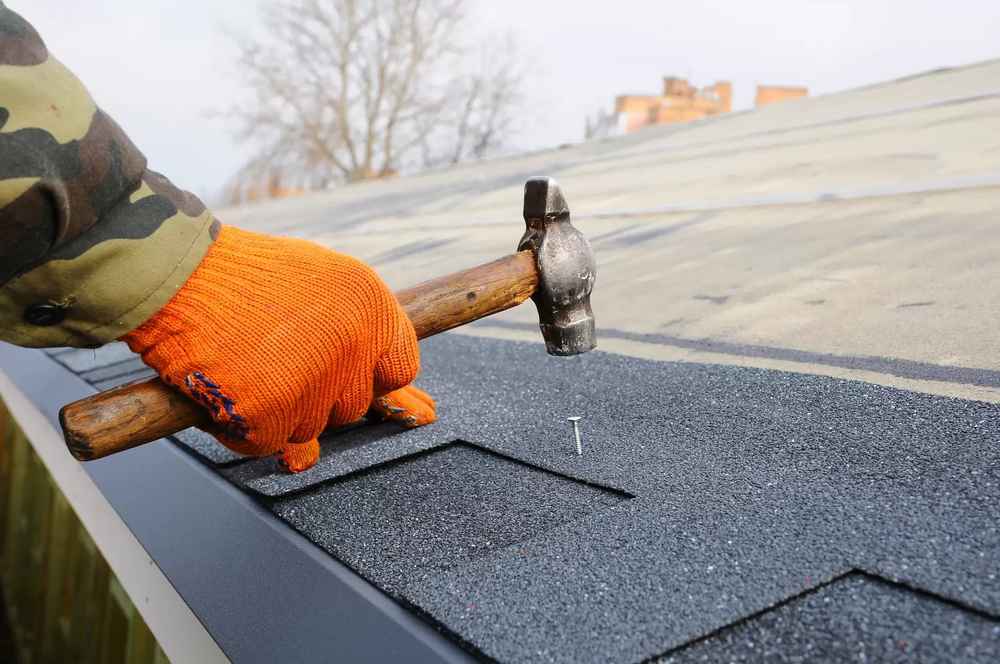
The Financial Side of “Saving Money”
Let’s do a little math. Suppose you climb up and fix a small leak with $75 in materials. It looks fine for now. But the next rainstorm sends water underneath your patch, soaking insulation and dripping into your drywall. Now you’re looking at:
- Roof repair: $600–$1,200
- Drywall and paint repair: $500–$800
- Mold remediation (if needed): $1,000+
- Insulation replacement: $400–$600
That “$75 fix” just ballooned into a few thousand dollars—and that’s before considering potential structural repairs.
Hiring a professional roofer upfront can feel like a bigger expense, but it’s one that prevents much larger bills down the road. Plus, reputable roofing contractors guarantee their work, so if a problem arises, you’re not footing the entire bill again.
Why Professional Repairs Make a Difference
We’re not saying every homeowner needs to call a roofer for every loose nail. But when it comes to storm damage or leaks, expertise matters. Professional roofers bring more than tools—they bring training, experience, and systems built around precision.
When you hire a company like Red Wolf Roofing, you get:
- A full inspection: We don’t just fix what’s visible. We trace leaks to their source, inspect flashing, check attic ventilation, and ensure everything ties together properly.
- Proper materials: Not all shingles, sealants, or underlayments are created equal. We use products that are tested and approved for North Carolina’s heat, humidity, and storms.
- Skilled installation: Our crews are trained to meet manufacturer and code standards—so your roof performs as designed.
- Warranty coverage: Professional work is covered by labor and material warranties. DIY repairs? Not so much.
- Peace of mind: When you know your roof was repaired by experts, you can face the next storm without holding your breath.
In short, hiring a professional isn’t just about getting the job done—it’s about getting it done right.
When to Call in the Pros
If you’re not sure whether your roof needs professional help, here are a few signs it’s time to make the call:
- You notice recurring leaks in the same spot.
- Shingles keep coming loose after each storm.
- Your attic smells musty or feels unusually humid.
- You’ve already done one or two “temporary” fixes and the issue keeps returning.
- You see daylight shining through the roof boards from inside the attic.
These are all symptoms of a deeper issue—one that a surface repair can’t solve. The sooner a professional inspects it, the less damage you’ll face later.
How We Help Homeowners Recover After DIY Damage
At Red Wolf Roofing, we’ve built our reputation on honesty and craftsmanship. When we’re called out after DIY repairs fail, we don’t judge—we get to work. Our job is to assess the real damage, explain your options clearly, and restore your roof so it can handle whatever spring brings next.
We start with a detailed inspection, including attic and ventilation checks, to locate every point of weakness. Then we provide a clear, itemized quote—no upsells, no pressure. We use durable materials designed for the Sandhills’ specific weather conditions, and every repair is backed by our workmanship guarantee.
Our goal is simple: to give you a roof that’s not just fixed, but fortified—so you can stop worrying every time clouds roll in.
Some Jobs Just Aren’t Worth Doing Twice
DIY projects can be rewarding, but roofing is one area where the risks outweigh the rewards. Spring storms in North Carolina don’t play nice, and even small errors can turn into expensive damage when the rain starts falling sideways.
If your roof took a hit this season—or if you’ve tried patching it yourself and aren’t sure it’s holding up—give us a call at Red Wolf Roofing. We’ll inspect it thoroughly, fix it the right way, and help you protect your home for the long haul.
Because at the end of the day, a solid roof isn’t just about saving money—it’s about peace of mind. And that’s something worth leaving to the pros.