Whispering Pines is celebrated for its beautiful lakes and dense canopy of mature pine trees. While these trees offer wonderful shade and natural beauty, they also present distinct challenges for your home exterior. Overhanging branches and falling organic debris can accelerate the aging process of asphalt shingles if left unmanaged. Understanding how local tree coverage affects your roof allows you to take preventive action, ensuring your home remains protected without losing the natural character of your property.
Key Takeaways
- Falling needles and leaves retain moisture, accelerating shingle degradation and causing rot.
- Heavy shade prevents your roof from drying completely, creating an ideal environment for algae and moss.
- Overhanging branches risk physical storm damage and provide easy access for pests.
Why Do Accumulated Pine Needles Cause Serious Roof Damage?
Trapped Moisture Acids Eat Away at Asphalt Shingles
Pine needles might seem harmless when they fall, but they quickly pack tightly together in roof valleys, behind chimneys, and inside gutters. Unlike broad leaves that often blow away in a stiff breeze, pine needles lock together and create dense mats that trap rainwater directly against your shingles.
This trapped organic matter damages your roof in several ways:
- It keeps the underlying shingles constantly damp, weakening the adhesive bonds.
- Decaying needles release natural acids that slowly erode the protective granules on asphalt shingles.
- Blocked valleys force water to flow sideways underneath the shingle edges, leading to leaks.
According to research from the University of Georgia Cooperative Extension, regular removal of pine debris is critical because accumulated organic matter holds moisture against structural components, significantly increasing the risk of wood rot. Keeping these areas clear is essential for avoiding premature roof repairs.
How Does Constant Shade Promote Algae and Moss Growth?
Limited Sunlight Creates Breeding Grounds for Organisms
While thick tree shade keeps your home cooler during hot summer days, it prevents morning dew and rainwater from evaporating quickly. A roof face that stays damp for hours after a rainstorm becomes the perfect habitat for cyanobacteria, commonly known as blue-green algae. This algae creates dark, unsightly streaks across your roof surface.
If moss takes root in those shaded areas, the risk increases. Moss acts like a sponge, anchoring itself into the shingle granules and holding water against the roof surface. As the moss grows, its roots can lift the edges of your shingles, making them highly vulnerable to wind damage. Ensuring your roof receives adequate sunlight helps keep the surface dry and prevents these organisms from compromising your protection.
What Are the Hidden Risks of Low-Overhanging Tree Branches?
Mechanical Scrape Damage and Animal Access Threaten Structural Integrity
Branches that hang too close to your roof line pose a continuous threat, even during calm weather. A gentle breeze can cause a heavy limb to scrape against your shingles, scrubbing away the protective mineral granules and exposing the underlying asphalt mat. Once those granules are gone, UV rays degrade the shingle quickly.
Overhanging branches also serve as convenient bridges for local wildlife:
- Squirrels and raccoons can jump onto your roof and chew through plastic vent boots or soffits.
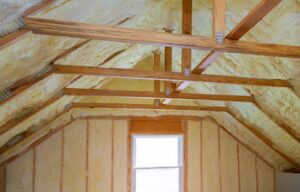
- Rodents find easy paths to enter your attic space and damage insulation.
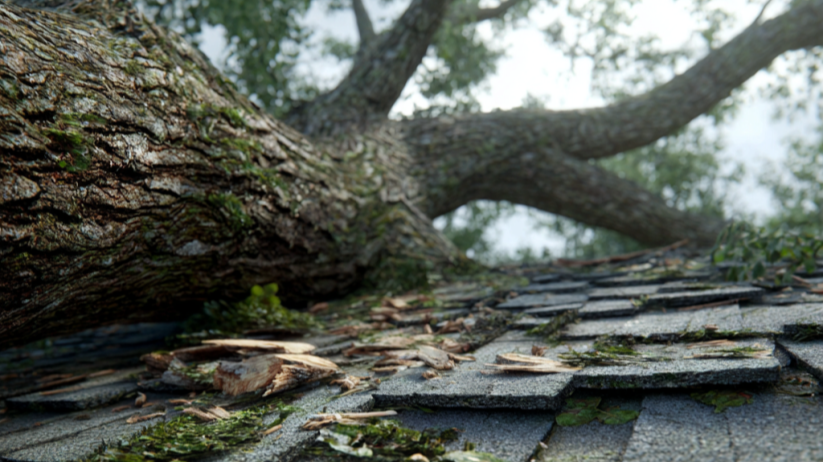
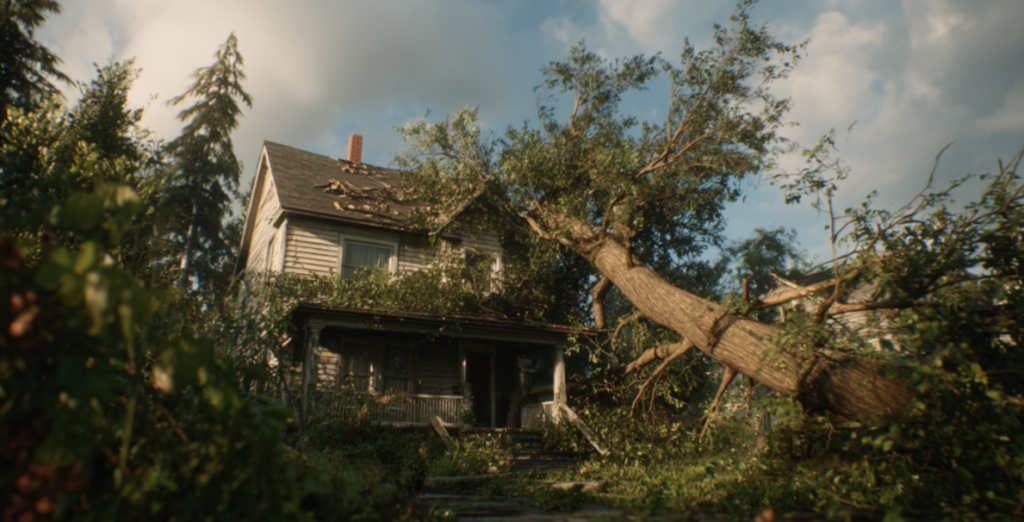
- Falling limbs during sudden thunderstorms can puncture shingles and crack your roof decking.
Maintaining a clear buffer zone between your trees and your roof peak prevents mechanical wear and keeps destructive pests away from your living space.