If you’ve lived in North Carolina’s Sandhills for any length of time, you know when thunderstorm season is coming. The sky darkens in the middle of the afternoon, the air gets heavy, and before you know it—wind, lightning, and a downpour that feels like someone turned on a fire hose.
It’s all part of life here. But what many homeowners don’t realize is that those storms take a quiet toll on their roofs long before any leaks appear. Gutters overflow, flashing loosens, and poor attic ventilation traps heat and moisture that slowly eat away at your home from the inside out.
At Red Wolf Roofing, we see it every year—homeowners calling after the first big storm, wondering how things went wrong so fast. The truth is, most of those problems could’ve been prevented with a little pre-season preparation.
That’s why we’ve put together this thunderstorm season checklist. Think of it as your roadmap to keeping your roof, gutters, and attic in fighting shape before the storms roll in.
Step One: Start with the Roof
Your roof is your home’s first line of defense, and spring and summer thunderstorms put it to the test. Strong winds lift shingles, rain seeps into small cracks, and hail can bruise the surface before you ever notice the damage.
Before thunderstorm season ramps up, take the time to inspect your roof—or better yet, schedule a professional inspection. Here’s what to look for:
- Missing, loose, or curling shingles: Even a single compromised shingle can allow water to find its way underneath and start damaging the decking.
- Cracked or deteriorating flashing: This thin metal seal around chimneys, vents, and valleys keeps water out of your home. If it’s loose or rusted, it’s a direct invitation for leaks.
- Granule loss: Check your gutters for sandy residue. If you see a buildup of asphalt granules, your shingles are wearing thin and losing their UV protection.
- Sagging or soft spots: Walk around the home’s perimeter and look for uneven rooflines. Sagging could indicate underlying rot or structural issues.
If anything looks questionable, don’t wait for the next big storm to “see what happens.” Minor roof issues rarely stay minor.

Step Two: Reinforce Before the Storms Arrive
Once you’ve checked for damage, it’s time to take preventive action. Stormproofing doesn’t always mean replacing your roof—it’s often about small adjustments that make a big difference when the weather turns rough.
Here’s what we recommend:
- Secure loose shingles and flashing: Wind can peel up edges, letting water sneak in. Sealing or replacing loose areas now prevents leaks later.
- Trim overhanging branches: Falling limbs are one of the biggest sources of storm damage. Trim back any that hang over your roof or gutters.
- Check seals around vents and skylights: These are common weak points where rain loves to find its way in.
- Inspect your attic insulation: Proper insulation helps regulate temperature and moisture, reducing the risk of condensation damage after heavy rains.
- Install or replace ridge vents: Good airflow keeps heat and humidity from getting trapped under your roof deck—a must for long-term durability.
A roofing professional can tackle most of these tasks quickly, often during a standard inspection or maintenance visit.
Step Three: Show Your Gutters Some Love
Your gutters are the unsung heroes of storm protection. When they’re clear and flowing, they divert thousands of gallons of rainwater safely away from your home. When they’re clogged, they cause backups that damage fascia boards, siding, and even your foundation.
Before thunderstorm season hits full stride, take a weekend to get your gutters in shape:
- Clean them thoroughly: Remove leaves, pine needles, and debris that can block water flow.
- Check for sagging or leaks: Gutters that pull away from the house can dump water right where you don’t want it—along your foundation.
- Test the downspouts: Spray water through them to ensure proper drainage and verify that they’re directing water several feet away from your home.
- Consider gutter guards: If your home sits under trees, guards can drastically reduce maintenance and prevent future clogs.
- Inspect fasteners and seams: Loose screws or unsealed joints are prime spots for leaks to develop during heavy rainfall.
Keeping your gutters clean isn’t glamorous work, but it’s one of the simplest and most effective ways to protect your roof and home during storm season.
Step Four: Don’t Forget the Attic
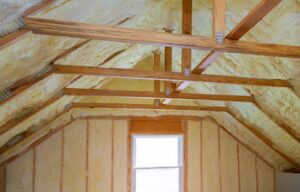
Your attic plays a bigger role in storm preparedness than most homeowners realize. It’s the space where heat, humidity, and leaks all converge. Without proper ventilation, moisture builds up and leads to mold, rot, and damaged insulation—all of which shorten your roof’s lifespan.
Here’s a quick checklist for attic readiness:
- Inspect for leaks or staining: Look at rafters and insulation for signs of water intrusion. If you see dark streaks or damp spots, you likely have a leak above.
- Ensure ventilation is balanced: You need a combination of intake (soffit vents) and exhaust (ridge or gable vents) to allow air to circulate.
- Check for mold or mildew: Musty smells or visible mold indicate trapped moisture, which can worsen during humid thunderstorms.
- Assess insulation condition: If it’s compacted, damp, or patchy, replace it. Good insulation helps regulate attic temperature and reduces the strain on your roof system.
If you’re not sure whether your attic ventilation is doing its job, our team at Red Wolf Roofing can help evaluate it as part of a roof inspection. Balanced airflow can make all the difference between a dry, sturdy roof and one that slowly deteriorates over time.
Step Five: Plan for the Unexpected
Even with the best preparation, storms can still deal surprises. High winds can strip shingles, hail can dent metal panels, and sudden downpours can overwhelm drainage systems. Having a plan in place keeps you ahead of the chaos.
Here’s what every homeowner should have ready before storm season begins:
- A trusted roofing contact: Don’t wait until you’re in a panic to look for help. Save the number of a local, reputable roofing company—like Red Wolf Roofing—so you can call immediately after a storm.
- A visual record of your roof: Snap photos of your roof and gutters before storm season. They’ll be invaluable for insurance claims if damage occurs.
- Basic emergency supplies: Keep tarps, flashlights, and a ladder handy (but don’t attempt dangerous repairs yourself during a storm).
- Insurance information: Make sure your policy is up to date and that you understand your storm-damage coverage.
Proactive homeowners save themselves time, money, and stress when bad weather inevitably shows up.
Why Routine Maintenance Matters More Than Repairs
Most people don’t think about their roof until it leaks—but by then, the damage is already done. Routine maintenance is the simplest, most cost-effective way to avoid that fate.
At Red Wolf Roofing, we like to think of roofs the same way you’d think of a truck. You wouldn’t wait for your engine to seize before changing the oil, right? Your roof deserves the same kind of preventative care.
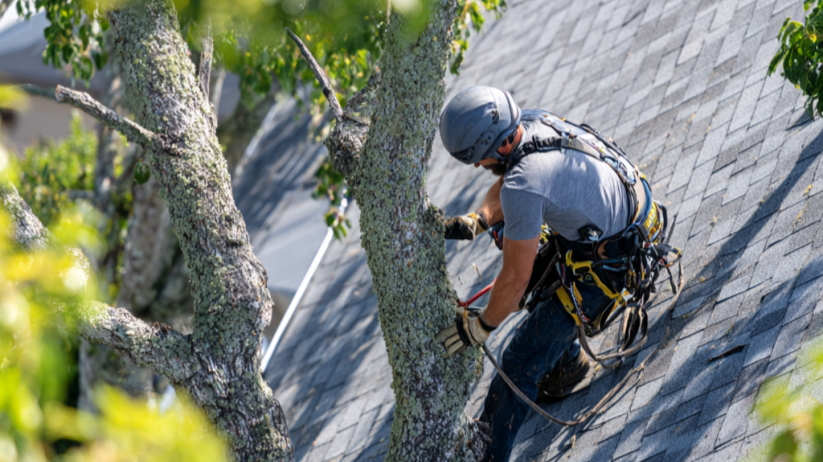
A quick inspection each spring and fall can catch small issues—like lifted shingles or clogged gutters—before they turn into major repairs. That attention to detail not only saves money but also adds years to your roof’s lifespan.
Step Six: Partner with the Right Roofing Experts
The difference between “getting by” and being fully protected during thunderstorm season often comes down to who you trust with your roof.
When you work with Red Wolf Roofing, you’re not just hiring a crew—you’re gaining a local partner who understands the Sandhills climate and what it does to roofs year after year. We know how humidity, heat, and high winds interact with different roofing materials, and we tailor our inspections and repairs to help your home withstand them all.
Our process includes a full top-to-bottom review of your roof system, gutter integrity, and attic ventilation. We’ll walk you through what we find, explain your options clearly, and handle any repairs or upgrades with craftsmanship and care.
Beat the Storms Before They Beat You
Thunderstorm season in North Carolina isn’t optional—it’s guaranteed. The question is whether your roof, gutters, and attic are ready to handle it. With a little planning and a trusted partner, you can protect your home from leaks, water damage, and costly repairs long before the first rumble of thunder.
At Red Wolf Roofing, we’re here to help you stay one step ahead of the weather. Schedule your pre-storm inspection today, and we’ll make sure your roof system is ready for whatever the Sandhills sky throws your way.
Because once the clouds roll in, peace of mind starts with the roof over your head—and that’s exactly what we’re here to protect.