A dependable roof involves much more than just shingles and underlayment. It requires a continuous system that allows your home to breathe, which is where proper ventilation comes into play. During hot North Carolina summers, attic temperatures can easily skyrocket, trapping intense heat right above your living space. Choosing the right ventilation system is crucial for keeping your home comfortable and extending the life of your building materials. Understanding the differences between ridge vents and box vents helps you choose the best option for your property.
Key Takeaways
- Proper ventilation regulates attic temperatures and prevents moisture buildup in your roof deck.
- Ridge vents offer a seamless look and highly efficient, continuous airflow along the peak of your roof.
- Box vents work beautifully on complex roof designs with limited ridge lines.
How Do Ridge Vents Keep Your Attic Cool and Dry?
Continuous Airflow Utilizes Natural Heat Migration
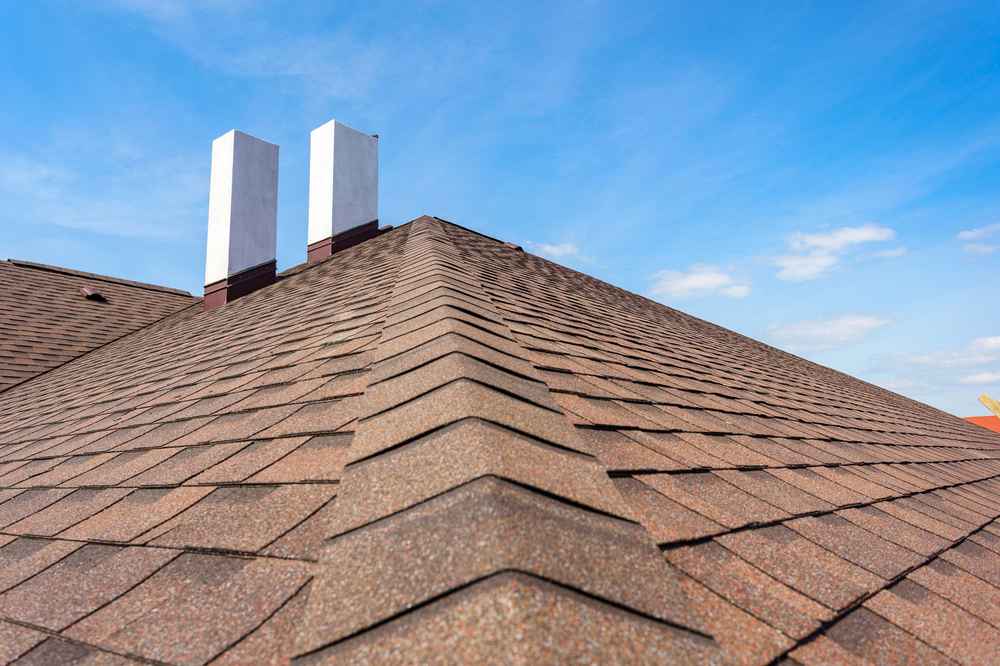
Ridge vents are installed along the very peak of your roofline, requiring a narrow gap to be cut into the roof decking on either side of the ridge. The vent is then fastened over this opening and covered with capping shingles to blend in seamlessly with the rest of the roof. This design creates a clean line that remains virtually invisible from the ground.
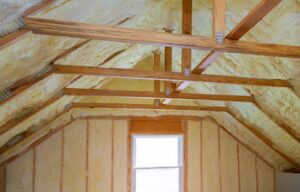
This system functions through natural convection. Because hot air naturally rises, it migrates to the highest point in your attic and escapes through the ridge vent. As that hot air exits, it creates a vacuum that pulls cooler, fresh air in through your soffit vents at the bottom of the roofline. According to the Federal Housing Administration, an evenly distributed balance of intake and exhaust ventilation is the most effective way to protect residential structural components from heat and moisture damage.
When Are Box Vents the Better Option for Your Property?
Sectional Ventilation Solves Complex Roof Profiles
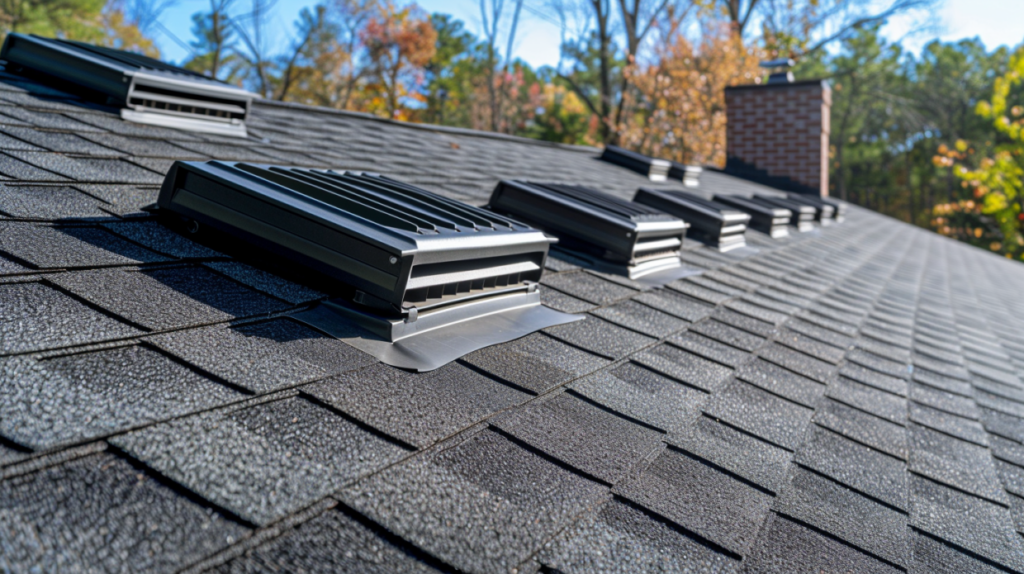
Box vents, often called turtle vents, are individual units installed over square holes cut into the upper slopes of the roof. Unlike continuous ridge systems, these vents sit a foot or two below the peak and work independently to let hot air escape from specific sections of the attic space.
Box vents are highly versatile and excel in specific situations:
- Roofs with short ridges or hipped designs that lack long, continuous horizontal peaks
- Complex rooflines featuring multiple valleys, dormers, or intersecting angles
- Targeted ventilation updates where adding a ridge vent is structurally impractical
While you need multiple box vents to match the airflow of a single continuous ridge line, they provide an excellent, cost-effective solution for homes with irregular shapes. Spacing them correctly ensures that dead air pockets are eliminated, keeping your attic clear of trapped moisture.
Why Is Attic Ventilation Critical During North Carolina Summers?
Regulating Temperatures Combats Shingle Rot and High Utility Bills
When your attic cannot breathe, it acts like a massive radiator, transferring heat down through your ceilings and forcing your cooling system to run constantly. This extra heat also bakes your shingles from the underside, causing them to blister, curl, and wear out prematurely.
Proper airflow solves two major structural problems:
- Heat buildup that degrades asphalt shingles and shortens your roof lifespan
- Moisture accumulation in the winter that leads to wood rot, mold, and rusted fasteners
The National Roofing Contractors Association notes that a balanced ventilation system helps maintain a uniform roof temperature, preventing premature material failure. Investing in proper airflow protects your roof replacement investment and keeps your energy bills predictable.