When you take a drive around Hope Mills, from the established neighborhoods near the lake to the newer developments down Rockfish Road, you’ll notice a major trend: dark roofs. Charcoal and black shingles are incredibly popular right now because they give a house a sharp, modern look. But as our long, sticky North Carolina summer days crank up the thermostat, many local homeowners ask themselves a tough question as they look at their energy bills: Is that beautiful dark roof turning my home into a giant oven?
It is a completely fair thing to worry about. We all know that dark colors absorb solar energy like sponges. When the sun beats down on a humid July afternoon, the roofing materials you choose can drastically affect how hard your home has to work to stay comfortable. Understanding how dark shingles heat up your property is the secret to making smart updates that keep your family cool without sacrificing your home’s curb appeal.
Key Takeaways:
- Black and charcoal shingles absorb significantly more solar radiation than lighter tones, raising surface temperatures by up to 160°F.
- This high thermal retention transfers directly into your attic space, forcing your air conditioning system to work overtime.
- Extreme, prolonged roof temperatures can accelerate the breakdown of standard asphalt, shortening the lifespan of your shingles.
- The performance gap between light and dark roofs can be balanced out with premium synthetic underlayments and balanced ventilation.
A proactive roof inspection from Red Wolf Roofing makes sure your home is properly set up to handle thermal absorption safely and efficiently.
The Science of Color: Why Dark Shingles Hold the Heat
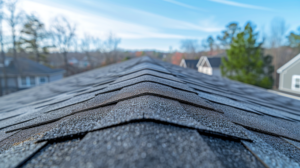
The core issue comes down to a principle known as solar reflectivity. Lighter colors, like pale gray or tan, act like a mirror for the sun’s rays, reflecting a large portion of that intense light back into the atmosphere. Dark roof shingles do the exact opposite. They absorb the vast majority of the light waves that hit them, transforming that light into pure, radiant heat energy.
On an ordinary 90-degree afternoon in Cumberland County, the surface temperature of a light gray roof might hover around 130 degrees.
On that exact same day, a black asphalt roof right next door can easily spike to 160 degrees or higher. If your system is not optimized to handle it, that thermal energy migrates straight downward through your roof deck and right into your attic.
The Ripple Effect on Your Attic and Air Conditioner
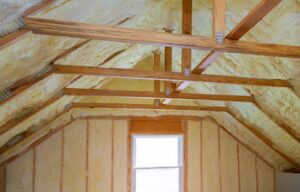
When dark shingles heat up your roof deck, your attic space absorbs the brunt of the punishment. Without the right defenses in place, an unventilated attic can quickly become a 140-degree pressure cooker. This heat does not just sit still above your ceiling; it actively pushes down through your drywall and radiates into your bedrooms and living spaces.
This is where your monthly utility bills take a major hit. Your air conditioning system has to run constantly to combat the thermal energy bleeding through the ceiling. Beyond the immediate jump in your electric bill, this extra strain wears down your expensive HVAC components much faster, turning a simple color choice into a potential long-term maintenance headache.
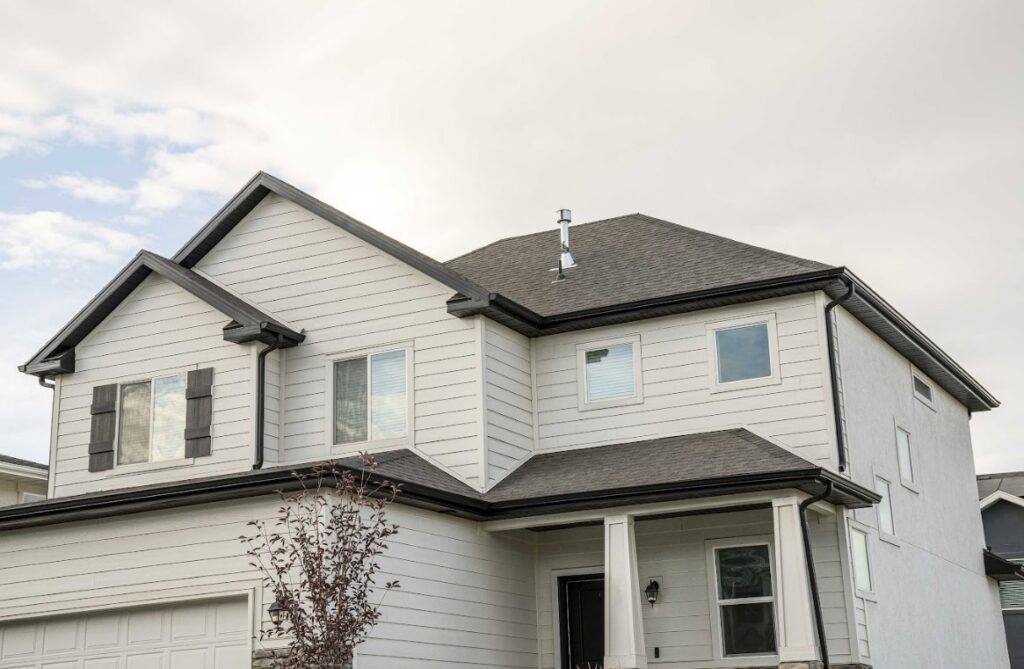
Do Dark Colors Wear Out Roofing Materials Faster?
Aside from indoor comfort, high thermal retention can also change how long your roof actually lasts. Traditional asphalt shingles rely on built-in oils to stay flexible, resilient, and watertight. When a dark roof is exposed to intense UV rays year after year, those vital oils can dry out prematurely.
As the materials dry, you might start noticing a few classic signs of heat damage. Shingles can become brittle, lose their protective mineral granules, and start to crack, buckle, or lift at the corners. Once shingles lose their structural integrity, they can no longer shed heavy rain or withstand strong winds during our seasonal storms, paving the way for hidden leaks and structural rot.
Smart Strategies to Keep a Dark Roof Cool
If you absolutely love the classic, dramatic look of a black or charcoal roof, you don’t have to give up your favorite style just to save on cooling costs. Modern building practices allow us to offset the thermal footprint of dark shingles using a few highly effective strategies:
- Upgrade to Balanced Ventilation: A continuous flow of fresh air through your soffit vents and out a ridge vent keeps hot air from getting trapped in the attic space.
- Invest in High-Quality Insulation: Thicker, modern insulation acts as a physical shield, preventing heat in your attic from spilling into your conditioned living rooms.
- Use Modern Synthetic Underlayment: Moving away from old-school felt paper to highly reflective synthetic underlayments helps block external heat from penetrating the roof deck.
- Look for Cool-Roof Technology: Many premium manufacturers now produce dark shingles embedded with specialized granules that reflect infrared light without altering the deep color you love.
Frequently Asked Questions About Sun Damage
Will changing to light-colored shingles instantly fix a hot house?
It will certainly help lower your roof surface temperatures, but it’s not a magic fix on its own. If your home has blocked intake vents or degraded attic insulation, heat will still find its way into your living spaces regardless of your shingle color. Color is just one piece of a much larger home comfort puzzle.
Are alternative roofing materials better at handling heat than asphalt?
Yes, absolutely. High-quality metal roofing systems are fantastic at dissipating heat and naturally boast higher reflectivity ratings than traditional asphalt shingles, even when you choose a darker color palette. They shed thermal energy incredibly fast once the sun goes down, cooling your home down much sooner in the evening.
How can I check if my attic is venting out heat properly?
A quick trip up to your attic hatch on a sunny afternoon can tell you a lot. If the space feels like a suffocating brick oven or smells intensely musty, your current ventilation system is likely struggling to breathe.
You can also look along your eaves to ensure old fiberglass insulation hasn’t shifted and blocked your intake soffit vents.
Does a dark roof offer any practical benefits during the winter?
In colder northern climates, dark shingles can help absorb modest heat from the winter sun, slightly reducing heating loads. However, down here in the Sandhills of North Carolina, our humid, scorching summer months are much longer and harsher than our mild winters. Optimizing your roof to beat the summer heat is almost always the smarter financial move for local homeowners.
Protect Your Pack with Proactive Roof Care
Your roof is your home’s main shield against everything the North Carolina elements throw its way. But a roof that looks perfectly fine from the driveway can still quietly transfer unnecessary thermal stress into your home, shortening the lifespan of your materials and draining your hard-earned money.
At Red Wolf Roofing, we built our reputation on providing straight talk, competitive pricing, and transparent service. We proudly serve communities throughout Hope Mills, Fayetteville, Pinehurst, and the surrounding areas. Plus, our heart is inspired by the endangered North Carolina red wolf; when you partner with us, a portion of our work goes directly toward local habitat restoration.
If you have questions about how your dark shingles are holding up against the heat, reach out to our neighborly crew today to schedule your free estimate. No high-pressure sales pitches, just honest, straightforward answers from your local roofing family.