Spring and early summer in Central North Carolina bring more than blooming azaleas and longer days—they also bring tornado watches, severe thunderstorms, and winds that can turn a quiet evening into a full-blown scramble for safety.
While most homeowners think about securing outdoor furniture or checking their storm kits, very few realize that the most vulnerable parts of their home aren’t the windows or doors—it’s the roof. More specifically, the roof’s weakest structural points: valleys, flashing, and chimney areas.
At Red Wolf Roofing, we’ve seen firsthand what high winds and heavy rain can do when those spots aren’t properly protected. Tornadoes don’t have to make a direct hit to cause roof damage—strong gusts and driving rain can exploit even the smallest vulnerabilities.
Let’s talk about how to safeguard your roof’s most delicate features so that when the next storm system rolls through the Sandhills, you can feel confident knowing your home is ready for it.
Why Roof Valleys, Flashing, and Chimneys Need Extra Attention
Think of your roof like armor—it’s designed to shield your home, but even armor has joints. Roof valleys, flashing seams, and chimney edges are those joints. They’re necessary to make your roof watertight, but they’re also natural stress points.
Here’s what makes them particularly vulnerable during tornado warnings and high-wind events:
- Roof valleys are where two slopes meet, creating a channel for water. When heavy rain hits, valleys handle more runoff than any other part of your roof, which makes them the first place leaks tend to appear.
- Flashing—the thin metal that seals joints and seams around vents, skylights, and edges—can be lifted, bent, or loosened by wind gusts. Once flashing pulls away, even slightly, water has a direct path inside.
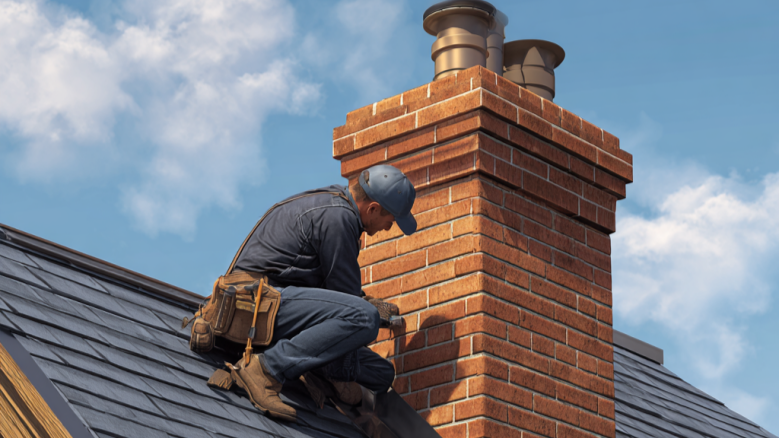
- Chimneys interrupt the smooth flow of your roofline. The mortar joints, caps, and surrounding flashing all take a beating during storms and can fail under pressure if not maintained.
When tornado season arrives, these areas act like pressure points. The combination of wind uplift, flying debris, and water intrusion can turn a small weakness into a major repair.
The Hidden Dangers of Wind and Water in Weak Roof Areas
Tornadoes in Central NC aren’t always full-scale twisters tearing through neighborhoods—often, it’s the smaller systems that do the most damage. Straight-line winds, microbursts, and intense thunderstorms can all cause chaos without ever touching the ground.
When high winds meet rain, they push water into places it’s not meant to go. That includes under shingles, behind flashing, and into roof valleys. Once water gets beneath the surface, it begins to rot decking, weaken adhesives, and compromise insulation.
Here’s what we typically see after severe weather passes through:
- Lifted flashing: The metal edges around chimneys or skylights bend upward, breaking their seal.
- Valley leaks: Roofing nails loosen and let water slip under the valley lining.
- Cracked chimney crowns: High winds and rapid temperature shifts cause stress fractures that let moisture in.
- Hidden attic leaks: Water seeps in at the edges but shows up as ceiling stains weeks later.
- Mold and rot: Trapped moisture from unnoticed leaks leads to long-term damage that spreads silently.
The problem is that much of this damage doesn’t reveal itself right away. It builds slowly, often hidden behind drywall or insulation until it becomes a major—and expensive—repair.
How to Strengthen Roof Valleys Before Tornado Season
Roof valleys are like highways for water, and during a storm, they carry the heaviest load. Reinforcing them before tornado season begins can mean the difference between a watertight roof and a soaked attic.
Here’s what we recommend:
- Inspect valley linings: Many homes use metal or woven shingle valleys. Check for rust, cracks, or lifted edges that could allow water intrusion.
- Clear debris: Leaves, twigs, and pine needles collect in valleys and trap water. Keeping them clean ensures smooth drainage during heavy downpours.
- Re-seal or re-nail shingles: High winds exploit loose shingles first. Securing them before storm season reduces the risk of wind uplift.
- Check for shingle overlap: In some older roofs, shingles weren’t properly layered in the valleys. A professional roofer can inspect the pattern and correct it if needed.
- Add underlayment reinforcement: A waterproof membrane under the valley gives you a second line of defense if the shingles fail.
These small steps help water flow properly and prevent one of the most common causes of storm-related leaks.
Protecting Flashing: Your Roof’s Unsung Hero
Flashing might not look like much, but it’s the workhorse of your roofing system. It guards all those little transition areas where shingles meet vertical surfaces—around chimneys, walls, skylights, and vents.
During tornado season, flashing takes a direct hit from wind pressure. When that wind gets under a shingle edge or flashing lip, it can peel it back like a soda tab.
Here’s how to keep that from happening:
- Inspect for rust or corrosion: Metal flashing wears down over time, especially in humid climates. Rust weakens it and makes it easier for wind to lift.
- Seal loose seams: Even a hairline gap can become a water entry point under high pressure. Re-seal with roofing-grade caulk or tar before the storms roll in.
- Check step flashing: On walls or dormers, flashing should be layered tightly with shingles. Misalignment lets wind push rain sideways into your attic.
- Replace brittle sealant: Old caulking cracks under heat and UV exposure. Fresh, flexible sealant helps flashing withstand both wind and water.
- Secure nails and fasteners: Tornado-force winds exploit weak points. Loose nails create a path for water and debris to work underneath.
Properly installed flashing can withstand intense weather—but only if it’s maintained. Regular inspections are key, especially before storm-heavy months.
Chimneys: The Overlooked Storm Weak Spot
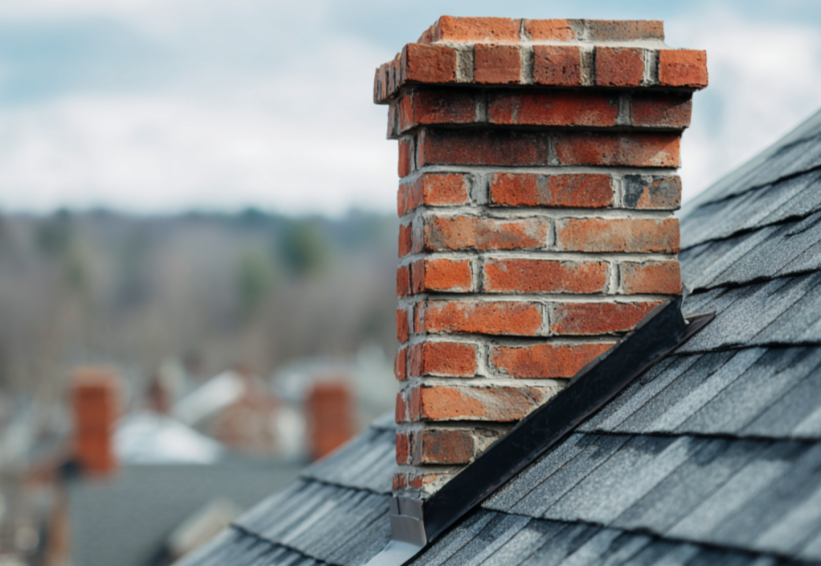
Chimneys look sturdy, but they’re actually one of the most delicate parts of your roof. They extend above the roofline, meaning they catch more wind, rain, and debris than almost anything else.
A single cracked joint or loose piece of flashing can lead to major leaks. During tornado season, those small gaps become entryways for water—and wind-driven rain has a way of finding every weakness.
To prepare your chimney for severe weather:
- Inspect the mortar joints: Over time, mortar cracks and crumbles, creating channels for water. Repointing (repairing mortar) restores strength and seal.
- Check the chimney crown: The top concrete cap should be smooth and free of cracks. Seal or repair it if water has begun to pool or seep through.
- Re-seal the flashing: The metal collar around your chimney should be tightly bonded to both the brick and shingles. Fresh sealant ensures no gaps remain.
- Install a chimney cap: A properly fitted cap keeps rain, debris, and critters out. During wind events, it also reduces internal pressure that can cause backdrafts.
- Look for leaning or separation: If your chimney is pulling away from the roofline, it’s time for professional help. That movement will only worsen under high wind load.
Chimney maintenance might not be glamorous, but it’s one of the smartest moves a homeowner can make before tornado season.
Extra Storm-Ready Roofing Tips for Central NC Homeowners
North Carolina weather is unpredictable, and when severe storms sweep through, even a well-built roof needs backup. Beyond valleys, flashing, and chimneys, here’s what you can do to give your roof the best fighting chance:
- Schedule a professional roof inspection: Before tornado season, have a roofer check for loose shingles, worn sealant, and compromised edges.
- Reinforce ridge caps and edges: Wind tends to lift from the perimeter. Securing these areas adds stability to your entire roof system.
- Install storm-rated shingles: If you’re due for a replacement, look for shingles rated for high wind resistance. They’re engineered for conditions just like ours.
- Trim nearby trees: Falling branches are one of the top causes of roof punctures during severe weather. Keep limbs at least 10 feet from your home.
- Check attic ventilation: Proper airflow reduces pressure differences inside your home that can make roofs more susceptible to uplift.
A little preparation now goes a long way when the storm sirens start wailing.
Why It Pays to Have Red Wolf Roofing in Your Corner
When severe weather hits, you don’t want to wonder whether your roof can handle it—you want to know. That’s where we come in.
At Red Wolf Roofing, we specialize in storm-season readiness for Central North Carolina homes. Our team inspects your roof with a trained eye for weak spots in valleys, flashing, and chimney areas—the exact places that storms target first. From minor sealant touch-ups to full system reinforcements, we make sure your roof is ready to take on whatever the forecast throws at it.
And when storms do strike? We’re there afterward too, assessing for hidden damage and making fast, reliable repairs to keep your home watertight and secure.
Stay Ready, Not Reactive
Tornadoes and severe storms are part of life in Central North Carolina, but roof damage doesn’t have to be. With regular inspections, proper sealing, and a little professional help, you can protect the most vulnerable parts of your roof—valleys, flashing, and chimneys—before the winds even start to blow.
Don’t wait for the next storm warning to find out if your roof is ready. Contact Red Wolf Roofing today to schedule your pre-season inspection. We’ll make sure your roof’s weakest points become its strongest defenses—because when the skies turn dark, peace of mind starts from the top down.