Most homeowners in the Carolinas look up at their roof and think, “Looks fine to me.” No missing shingles. No obvious leaks. No water stains on the ceiling. So everything must be good, right?
Not necessarily.
There’s a silent threat that works from the inside out — one that can quietly destroy your roof deck, rot your rafters, and shorten the life of your shingles by years, sometimes before you ever notice a single drip. That threat is attic moisture, and in North Carolina’s warm, humid climate, it’s more common than most people realize.
The good news? Once you understand what’s happening up there, you can take real steps to protect your home. This guide breaks it all down — what causes attic moisture, why it matters so much for your roof, and what to do about it.
Key Takeaways:
- Attic moisture is a roofing problem, not just an insulation problem
- North Carolina’s humid climate makes homes especially vulnerable year-round
- Poor ventilation is the most common cause — and one of the most fixable
- Early signs are easy to miss, but the damage they cause is expensive
- A professional roof inspection can catch problems before they become disasters
Why Does Attic Moisture Even Exist?
Your attic is a meeting place for two forces that don’t get along.
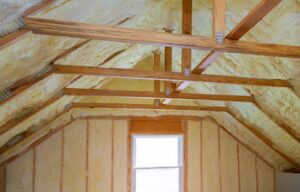
Warm, moist air from inside your living space naturally rises. That’s just physics. In the winter, the warm air your HVAC system generates drifts upward through gaps in your ceiling — around light fixtures, attic hatches, plumbing vents, and any other imperfect seal between your living area and the attic above it.
When that warm, humid air hits the cold surfaces of your attic — the roof deck, the rafters, the underside of the sheathing — it cools down rapidly. And when warm air cools, it can no longer hold as much moisture. So that moisture releases, condensing on every cold surface it touches.
Imagine breathing onto a cold car window in winter. That’s exactly what’s happening inside your attic, just slower and less visible.
In summer, the dynamic shifts, but the problem doesn’t go away. North Carolina summers push outdoor humidity levels through the roof — literally. Without proper ventilation, superheated, moisture-laden air gets trapped in your attic and bakes into your roofing materials day after day.
How Does Attic Moisture Actually Damage Your Roof?
Moisture doesn’t destroy your roof all at once — it chips away at it over time.
This is what makes attic moisture so deceptively dangerous. It doesn’t cause a dramatic collapse overnight. Instead, it works slowly and steadily in ways that are easy to miss until the damage is already serious.
Here’s what’s actually happening beneath your shingles when attic moisture goes unchecked:
- The roof deck (usually plywood or OSB) absorbs moisture and begins to soften and swell. Over time, this leads to sagging, delamination, and structural weakness.
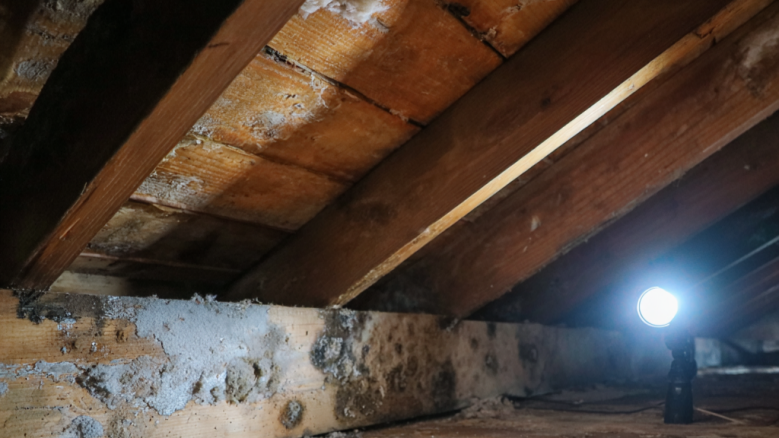
- Wooden rafters and framing members are prime real estate for mold and wood rot. Once rot sets in, those structural components lose their integrity fast.
- Wet insulation loses its effectiveness. Soggy insulation isn’t just useless — it actively holds moisture against your roof deck, accelerating the damage.
- Shingles are designed to shed water from above, not fight it from below. When the roof deck beneath them warps or softens, shingles lose their grip, buckle, and become vulnerable to wind and storm damage.
- Mold and mildew thrive in damp, dark, warm spaces — and once mold establishes itself in your attic, it can spread and eventually affect your indoor air quality.
According to the U.S. Department of Energy, air sealing and proper attic ventilation are among the most impactful things homeowners can do to protect the longevity of their home’s structure. The attic is ground zero for that work.
What Are the Signs of Attic Moisture Problems?
Some warning signs are obvious. Others you’d never spot without climbing up there yourself.
Let’s start with what you might notice from inside your home. Unexplained musty smells — especially on upper floors or near ceiling vents — can indicate mold growth in the attic. Dark staining on your ceiling, even if it’s dry to the touch, often means moisture has been wicking through from above. Unusually high heating or cooling bills can sometimes be traced back to wet, ineffective attic insulation letting conditioned air escape.
Up in the attic itself, you’d want to look for:
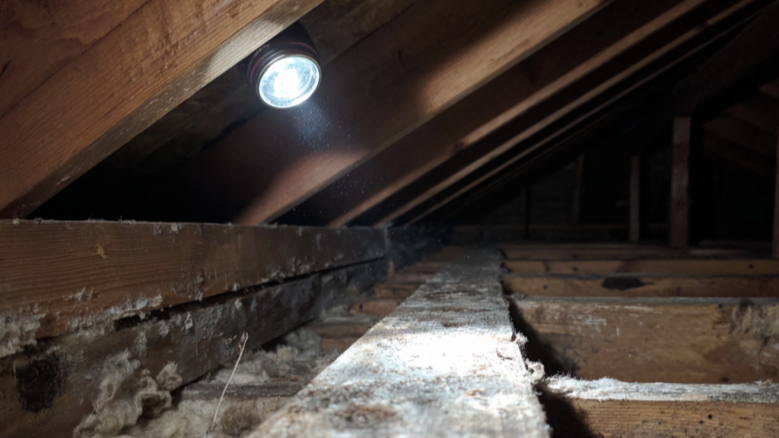
- Frost or condensation on the underside of the roof deck, especially visible on cold winter mornings
- Dark staining or black discoloration on wood surfaces
- Soft, spongy, or visibly deteriorating roof sheathing
- Wet or matted insulation
- Any visible mold growth on framing, decking, or insulation
The tricky part is that most homeowners don’t make a habit of inspecting their attic regularly — and frankly, most wouldn’t know exactly what to look for. That’s where a professional inspection becomes genuinely valuable. The team at Red Wolf Roofing is trained to catch these early warning signs and give you an honest assessment before a fixable issue becomes a full roof replacement situation.
What Causes Poor Attic Ventilation — and Why Is It Such a Big Deal?
Ventilation isn’t just about airflow — it’s about protecting everything above your head.
When your attic breathes properly, fresh outside air enters through soffit vents at the eaves and exits through ridge vents or other exhaust vents near the peak. That steady flow of air removes heat and moisture before they can accumulate and cause damage. It’s a simple, elegant system — when it works.
But a lot of attics don’t have adequate ventilation, for several reasons. Old homes were often built before modern ventilation standards existed. Over the years, renovations may have accidentally blocked soffit vents with insulation. Ridge vents can become clogged with debris or improperly installed. And in some cases, bathroom exhaust fans have been vented directly into the attic rather than outside — essentially pumping moisture straight into the one place it can do the most damage.
TheNational Roofing Contractors Association recommends a minimum ventilation ratio of 1 square foot of net free ventilation area for every 150 square feet of attic floor space. Most homeowners have no idea whether their attic meets that standard — and many don’t.
Getting your ventilation system evaluated is one of the smartest investments you can make in your roof’s long-term health. If you’re not sure where to start, Red Wolf Roofing’s residential roofing team can walk through your attic setup and tell you exactly what’s working, what isn’t, and what it would take to fix it.
How Does North Carolina’s Climate Make This Worse?
Living in the Carolinas means your home is working harder than you might think.
Greensboro, Pinehurst, Fayetteville — this whole region sits in a climate zone that’s genuinely challenging for homes. Summers are hot and sticky. Humidity regularly climbs above 80 percent. Winters are mild but damp, with enough temperature swings to create significant condensation cycles in an under-ventilated attic.
That combination means North Carolina homes face attic moisture stress throughout the year, not just in one season. In summer, trapped heat and outdoor humidity conspire to degrade roofing materials from within. In winter, temperature differentials drive condensation onto cold surfaces. Spring and fall bring their own moisture events in the form of heavy rainfall.
Add to that the fact that many homes in the Carolinas were built several decades ago — before modern building codes required the ventilation and air sealing standards we now know are necessary — and you’ve got a lot of homes quietly developing attic moisture problems right now.
If your home is more than 15 to 20 years old and you’ve never had your attic professionally evaluated, it’s worth doing. Not because something is definitely wrong, but because something could be — and catching it early is almost always cheaper than catching it late.
What Can You Do to Prevent or Fix Attic Moisture Problems?
There are real, practical steps you can take — and some of them are simpler than you’d expect.
The most impactful things fall into a few categories.
Improve your ventilation. Make sure your soffit vents are unobstructed — pull back any insulation that may have been pushed up against them. Consider having a roofing professional evaluate whether your ridge venting or box vents are adequate for your attic’s square footage.
Seal air leaks at the attic floor. Every gap around a light fixture, a plumbing stack, an attic hatch, or a ceiling fan is a pathway for warm, moist household air to infiltrate your attic. Foam sealant and weatherstripping can go a long way here.
Redirect bathroom and kitchen exhaust fans. If any of your exhaust fans are venting into the attic rather than through the roof or out a soffit to the outdoors, that’s a direct moisture source that needs to be corrected immediately.
Check your insulation. Wet insulation needs to be replaced — it won’t dry out and recover its effectiveness. When replacing it, make sure the new installation doesn’t block the flow of air from your soffit vents.
Schedule a professional inspection. Honestly, this one belongs at the top of the list. A qualified roofer can assess your ventilation, evaluate your roof deck and framing, and spot early-stage moisture damage that would be nearly impossible for a homeowner to identify on their own. You can request a free estimate from Red Wolf Roofing and get clear, honest answers about what’s actually going on up there.
Got Questions? You’re Not the Only One.
“How do I know if my roof damage is from attic moisture or from an outside leak?”
Leaks from outside usually show up as water stains on ceilings that correspond directly to heavy rain events — you notice them after a storm. Attic moisture damage tends to develop more gradually, appearing as widespread staining, soft wood, or mold growth rather than a single drip point. A professional inspection can distinguish between the two and point you toward the right solution.
“Can attic moisture cause my roof to fail completely?”
It can, yes — though it typically happens over a period of years, not days. When roof decking becomes saturated and rots, shingles lose the solid substrate they need to perform properly. Once structural components are compromised, you’re often looking at a full roof replacement rather than a targeted repair. That’s exactly why catching it early matters so much.
“Will my homeowner’s insurance cover attic moisture damage?”
Usually not, if the damage resulted from gradual moisture accumulation due to inadequate ventilation or deferred maintenance. Insurance companies generally cover sudden, accidental damage — not slow-developing problems. This is another reason why regular inspections and proactive maintenance are so important.
“How often should I have my attic inspected?”
A good rule of thumb is once a year — ideally in late summer or early fall before cold weather arrives. If you’ve recently had a major storm, an inspection following that event is also a smart move.
“Is fixing attic moisture something I can do myself?”
Some parts of it, yes. Clearing blocked soffit vents, sealing obvious air gaps, and redirecting exhaust fans are all things a handy homeowner can tackle. But assessing the extent of any existing damage, evaluating your overall ventilation system, and making repairs to the roof deck or shingles? Those are tasks for a professional.
Protect Your Roof Before the Damage Does It For You
Your roof is one of the most important investments on your property. It keeps the rain out, the heat in, and everything underneath it safe. But a roof that looks perfectly fine from the curb can be quietly compromised by the moisture building up on the other side of your ceiling.
The homeowners who come out ahead aren’t the ones who wait for a drip or a cave-in. They’re the ones who pick up the phone, ask a few honest questions, and get a set of experienced eyes on their roof before something small becomes something expensive.
Red Wolf Roofing has been serving homeowners across the Sandhills and surrounding communities with straight talk, quality work, and the kind of care you’d expect from someone who actually lives nearby. We proudly serve Aberdeen, Cumberland County, Fayetteville, Harnett County, Hoke County, Hope Mills, Lee County, Moore County, Pinehurst, Raeford, Sanford, Seven Lakes, Southern Pines, West End, and Whispering Pines.
If you’ve got questions about your attic, your ventilation, or the overall health of your roof, we’d genuinely love to help. Learn more about who we are and how we work, or reach out today to schedule your free estimate. No pressure — just honest answers from people who actually know roofs.