Most of us in Fuquay-Varina know exactly what to do when those intense North Carolina summer heat waves roll in. We track down the shade, crank up the air conditioning, and make sure we’re drinking plenty of water. But while we’re staying cool indoors, our roofs are stuck outside, taking a brutal beating day after day. Between the blazing midday sun, skyrocketing temperatures, and relentless ultraviolet rays, your roof works incredibly hard just to keep your home safe and comfortable.
You can’t see the top of your house from your living room, so it’s easy to assume everything is fine as long as there isn’t a puddle on the floor. Unfortunately, extreme weather doesn’t just damage your home during a sudden hurricane or a freak winter ice storm.
The quiet, daily exposure to high temperatures can cause serious heat damage to your roof long before you ever spot a leak. Understanding how the local climate impacts your home is the first step toward protecting your investment and avoiding a stressful, unexpected roof replacement down the road.
Key Takeaways:
- High summer temperatures can cause trapped gases to pop asphalt shingles, leading to unsightly and damaging blisters.
- Relentless ultraviolet light dries out the essential protective oils in roofing materials, making them brittle and prone to cracking.
- The constant daily cycle of heating up and cooling down strains your roof’s structure, which can loosen fasteners and tear flashing.
- Keeping your attic properly ventilated is one of the best ways to fight seasonal sun damage.
Catching these subtle, sun-baked warning signs early with a professional checkup can save you thousands of dollars in repairs.
The Hidden Science of Sun Damage: Blistering and Brittle Shingles
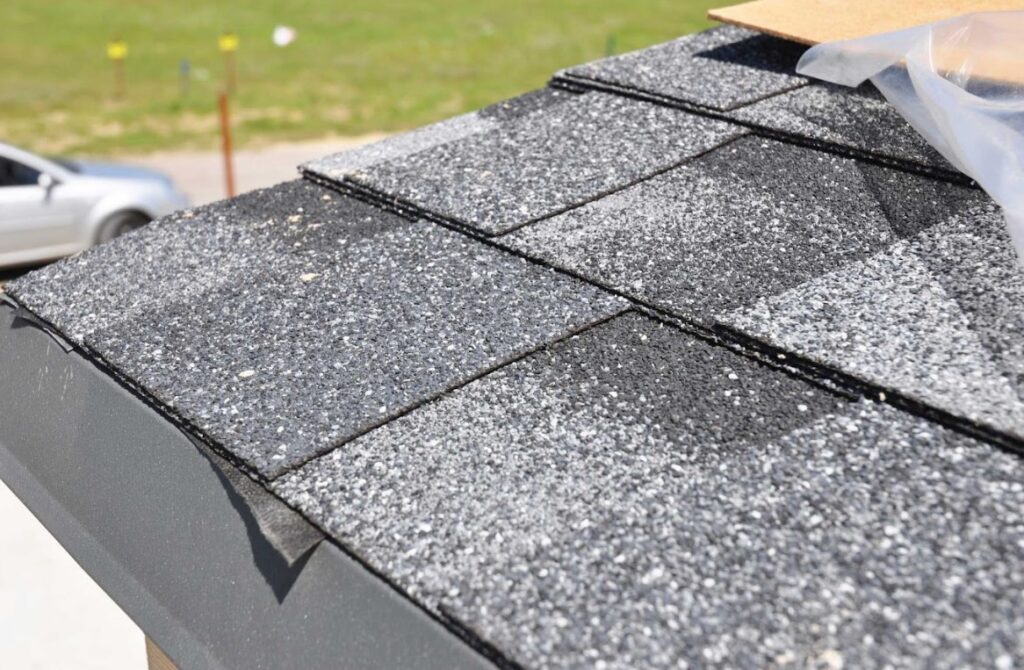
Your roof does more than just absorb sunlight; it handles a massive amount of energy every single day. When asphalt shingles are constantly exposed to the sun, ultraviolet radiation breaks down the material at the chemical level. This process causes severe UV damage to your roofing, stripping away the flexible, protective oils that keep your shingles resilient. Without those oils, the asphalt becomes weak, dry, and incredibly brittle.
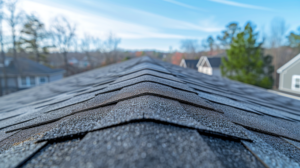
Over time, those dried-out shingles will start to peel, curl at the edges, and lose the protective granules that shield your home from the elements.
To make matters worse, intense heat combined with poor attic ventilation creates a recipe for shingle blistering. When a roof deck gets too hot because trapped air can’t escape the attic, the shingles above it overheat. As they bake from both sides, tiny pockets of moisture or gas trapped inside the asphalt expand and rise to the surface, creating a bubble.
When those blisters inevitably pop, they shed their granules and leave deep pits that resemble hail damage, making your roof highly vulnerable to the next heavy downpour.
Understanding Thermal Shock: Why Temperature Swings Matter
It isn’t just the peak afternoon heat that causes issues for homes in the Triangle area. It’s also how fast the temperature changes. This issue stems from a physical process called thermal shock. During a typical Fuquay-Varina summer day, your roof expands as it bakes under the sun. Then, when a sudden afternoon thunderstorm rolls through, or the sun goes down, the temperature drops rapidly, causing the entire roofing structure to contract.
This constant tug-of-war between expanding and contracting puts an enormous amount of physical stress on every single component above your head. Over time, this movement can cause:
- Roofing nails and fasteners to slowly back out of the wood deck.
- Metal flashing around your chimney, valleys, and vents to warp, pull away, or split.
- Sealants and caulking to crack, dry up, and lose their waterproof grip.
- Small, invisible hairline cracks in older materials to split wide open.
How Our Local North Carolina Climate Makes It Worse
Living in a beautiful town like Fuquay-Varina means dealing with a climate that tests homes year-round. We don’t just get high temperatures; we get intense, thick humidity to go along with it. When you combine relentless sun exposure with high humidity levels, your roof has to work twice as hard.
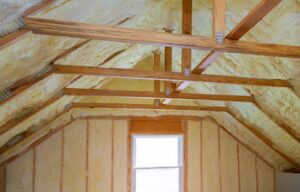
In an under-ventilated home, a sun-baked attic acts like a giant brick oven, trapping superheated air that can easily top 140°F. This extreme heat bakes your roof from the underside while the sun beats down on it from above. Meanwhile, high humidity encourages mold and dark algal streaks to thrive on weakened, sun-damaged surfaces. It’s a year-round cycle in which the summer sun creates structural cracks, and our seasonal heavy rains creep into them.
Practical Steps to Protect Your Home from Sun Wear
The good news is that you don’t have to just sit back and let the sun destroy your property. There are real, practical things you can do to minimize the long-term effects of extreme heat and UV wear:
- Inspect your attic ventilation: Make sure your soffit vents, ridge vents, and intake areas are completely clear of old insulation or debris so fresh air can flow naturally.
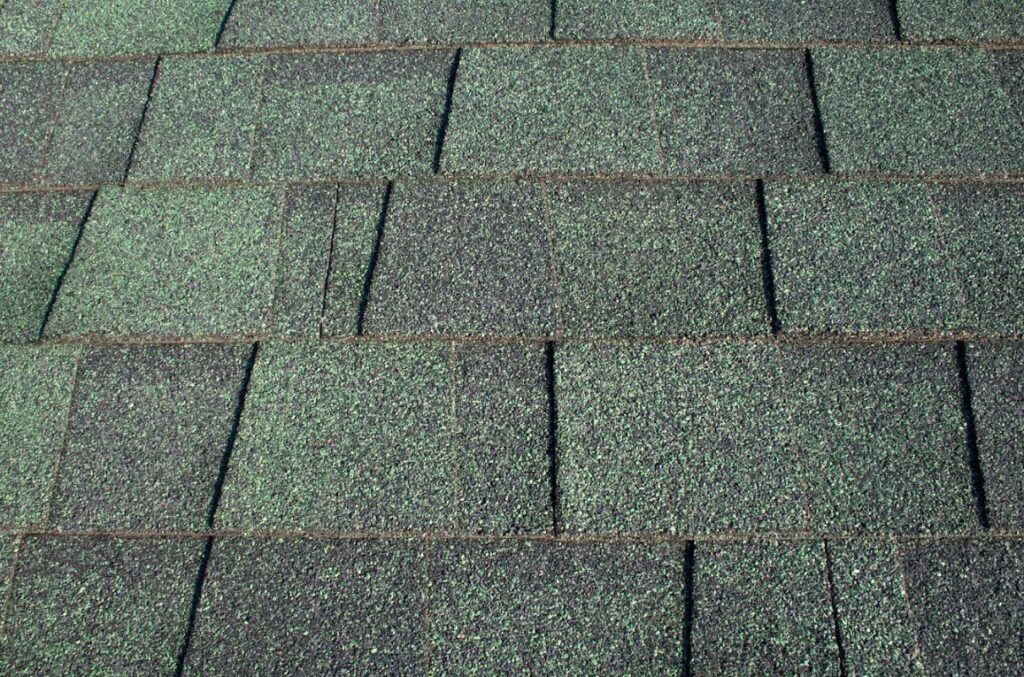
- Look for granule loss: Check your gutters and downspouts after a hard rain. If you see piles of dark, sand-like granules, your shingles are actively losing their sun protection.
- Keep an eye out for curling or warping: Take a walk around your yard and look up at your rooflines to check whether any shingle edges are beginning to cup or lift.
- Consider reflective technology: If it’s time for a new roof, ask about modern cool-roofing options or high-quality metal systems that naturally reflect solar energy.
- Get a professional evaluation: Having an experienced local roofer walk your roof can reveal early signs of sun damage that aren’t visible from the ground.
Frequently Asked Questions About Sun Damage
Can I spot heat damage to my roof from my driveway?
Sometimes, but not always. You might be able to see severely curled shingles or dark bald spots where granules have washed away. However, things like popped blisters, micro-cracks from thermal shock, and warped flashing are incredibly tough to see without actually climbing up a ladder and getting a close look.
Does homeowner’s insurance cover general sun or UV damage?
Generally, no. Homeowner’s insurance is designed to protect you from sudden, accidental perils like a fallen tree, severe hail, or hurricane-force winds. Gradual wear and tear from the sun and general aging are considered regular home maintenance responsibilities. That’s why being proactive is so important.
Are certain roofing materials better at resisting heat than others?
Yes, absolutely. While traditional asphalt shingles are affordable and popular, they take the hardest hit from UV rays. Metal roofing systems, for example, are fantastic at reflecting solar heat away from your house, which protects the structure and can lower your monthly cooling bills.
How often should I have my roof checked for weather wear?
We recommend having an expert take a look at least once a year. Late summer or early autumn is an ideal time because it allows a professional to evaluate exactly how much stress the summer heat waves put on your system before the cold winter weather arrives.
Protect Your Investment Before the Drips Start
Your roof is your home’s primary shield against everything nature throws our way. It keeps the heavy rain out, keeps your cool air in, and protects your family. But even a roof that looks perfectly fine from the front yard can be quietly suffering from a severe heat damage crisis on the surface.
The homeowners who save the most money aren’t the ones who wait for water to start dripping through their bedroom ceiling. They’re the ones who stay ahead of the game by asking honest questions and getting an experienced set of eyes on their property before a small, sun-baked issue turns into an expensive headache.
At Red Wolf Roofing, we’ve built our reputation on providing our neighbors across the region with straight talk, dependable craftsmanship, and the genuine care you expect from a local business. We proudly serve communities throughout Fuquay-Varina, Fayetteville, Pinehurst, Southern Pines, Aberdeen, Hope Mills, and the surrounding areas.
If you’re worried about what the North Carolina sun is doing to your home, we’re here to help. Reach out to our neighborly team today to schedule your free estimate. There’s never any pressure; just honest, reliable answers from people who truly know roofs.